Frozen Lobster
Review of the Best Frozen Lobster Brands
Lobster Anywhere stands out for its commitment to providing customers with sustainably sourced seafood. The brand offers a range of lobster products, including whole lobsters and tails, all frozen to ensure freshness and quality. Their website is use...
Read more →
Roundup of Nutritional Comparisons: Fresh vs Frozen Lobster
Protein quality is a critical factor when evaluating both fresh and frozen lobster. Fresh lobster typically boasts a higher protein content, which is essential for muscle health and tissue repair. This seafood is often considered a delicate source of...
Read more →
10 Amazing Health Benefits of Eating Frozen Lobster
Consuming frozen lobster provides an excellent source of omega-3 fatty acids, crucial for maintaining brain health. These fatty acids are known to support cognitive function and may help reduce the risk of neurodegenerative diseases. Regular intake c...
Read more →
A Brief History of Lobster Consumption
During World War II, the demand for lobster saw a significant transformation. Initially regarded as a humble food option, it began to gain popularity due to its availability and nutritional value. With limited access to other meats, many developed a ...
Read more →
Why You Should Include Lobster in Your Diet
Lobster is a notable source of essential minerals that contribute to overall health. Rich in zinc and selenium, it plays a role in numerous bodily functions. Zinc supports the immune system, aids in wound healing, and is crucial for DNA synthesis. Se...
Read more →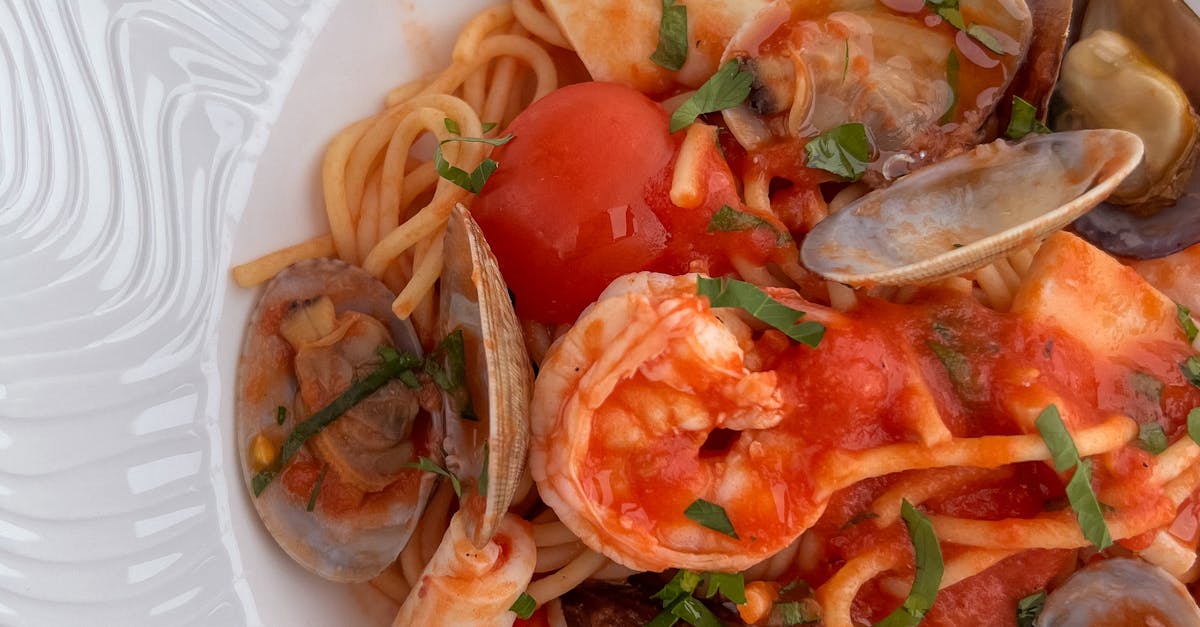
Why is Frozen Lobster a Healthy Choice
The nutrients found in frozen lobster support cognitive health. Omega-3 fatty acids play a crucial role in brain function, enhancing neural connections and improving memory. Additionally, vitamins such as B12 contribute to maintaining healthy nerve c...
Read more →
What to Consider When Buying Frozen Lobster
When preparing frozen lobster, selecting the right cooking method is crucial to achieving the best flavour and texture. Steaming is a popular choice, as it preserves the lobster's natural moisture and prevents the meat from becoming overcooked. Boili...
Read more →
What to Know About Macronutrients in Frozen Lobster
The debate between fresh and frozen lobster often centres on taste and texture. Fresh lobster, typically more sought after, boasts a sweet, succulent flavour and a firm, tender meat. Consumers often perceive it as superior, associating its availabili...
Read more →
How to Properly Thaw Frozen Lobster
Begin by removing the frozen lobster from the freezer and inspecting its packaging. Check for any signs of damage or tears that may have compromised the seal. If the packaging is intact, place the lobster in a bowl or tray to catch any excess moistur...
Read more →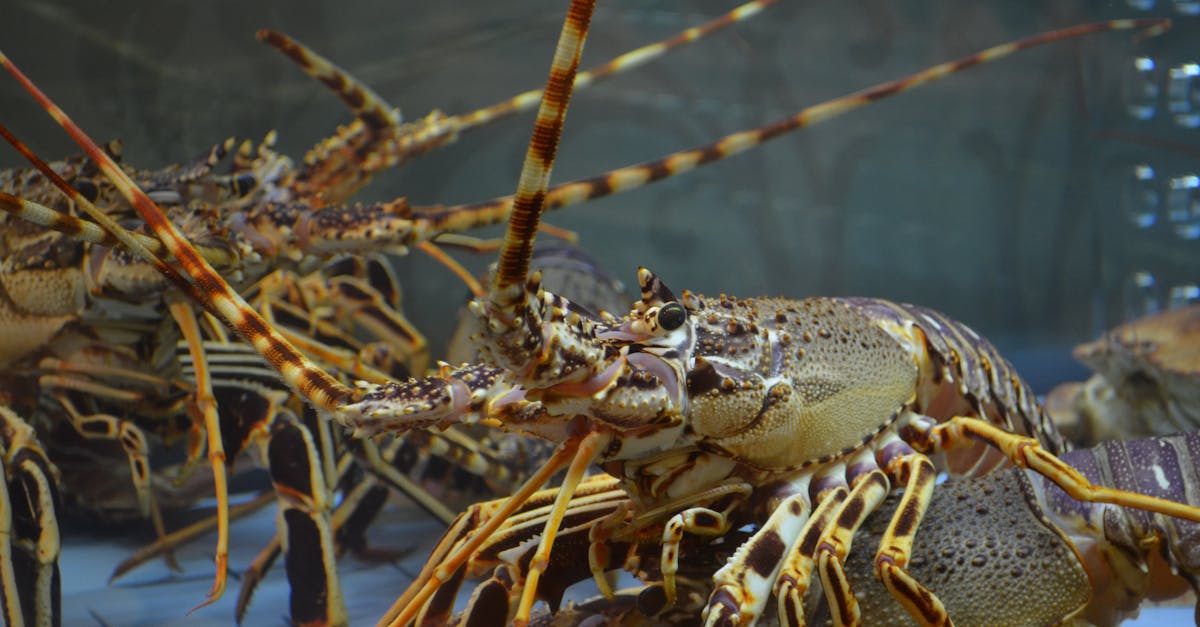
How to Cook Frozen Lobster for Maximum Flavour
When cooking frozen lobster, one of the most frequent missteps is neglecting to properly thaw it. Placing it directly in boiling water can lead to an uneven cook, resulting in rubbery textures. Instead, it’s advisable to thaw the lobster in the ref...
Read more →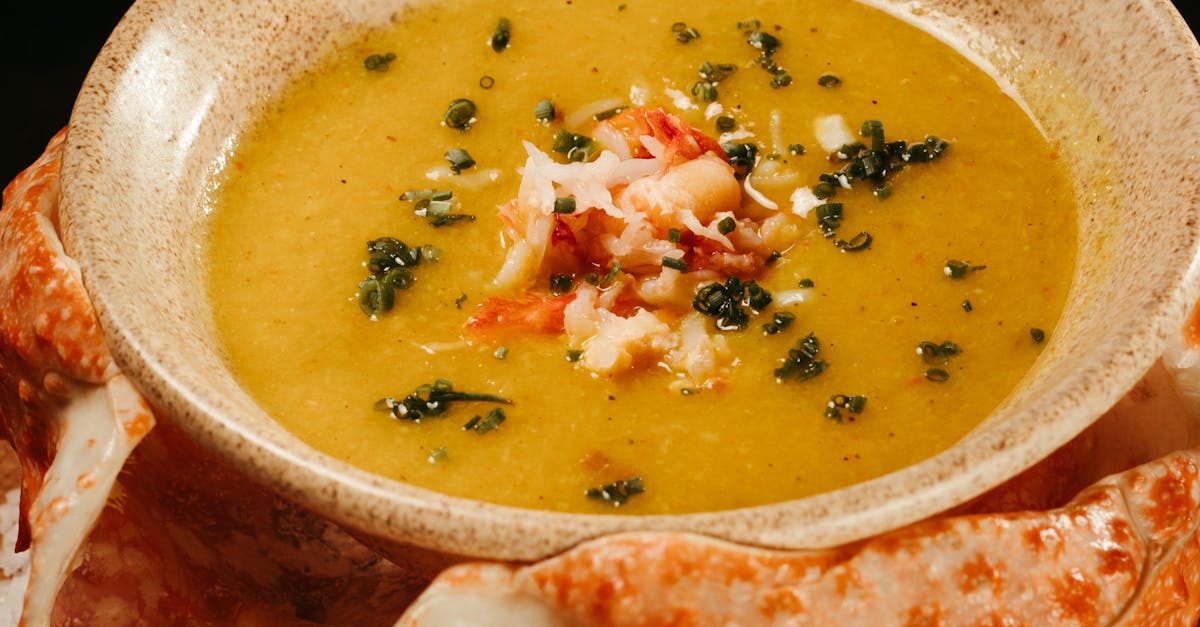
Roundup of Nutritional Comparisons: Fresh vs Frozen Lobster
Fresh lobster is a rich source of essential vitamins that contribute to overall health. It is particularly high in vitamin B12, which plays a crucial role in red blood cell formation and neurological function. Additionally, fresh lobster contains sig...
Read more →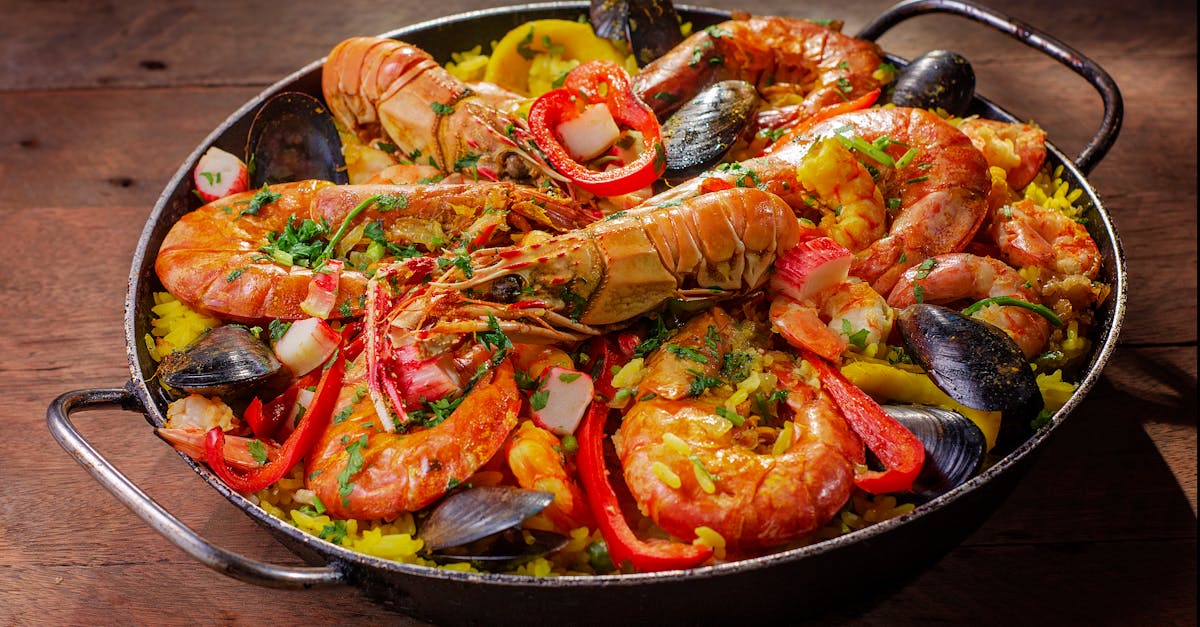
Review of the Best Frozen Lobster Brands
Aqua Harvest stands out for its commitment to sustainability and quality. Sourced from reputable fisheries, this brand ensures that its lobsters are caught in accordance with environmentally friendly practices. The focus on ethical sourcing not only ...
Read more →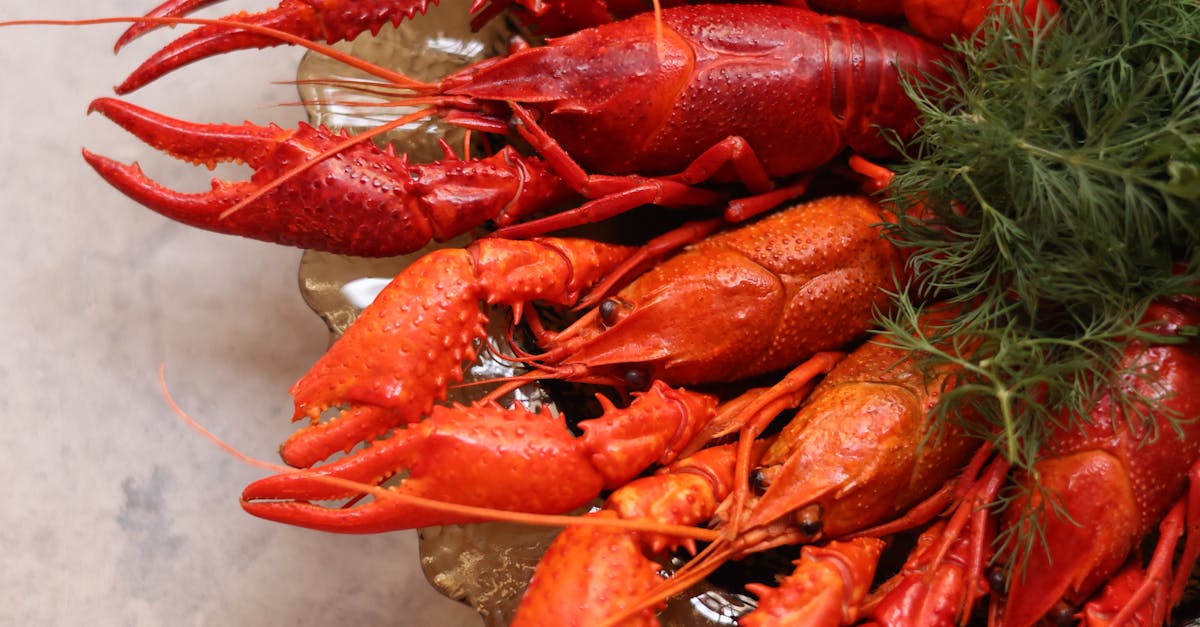
10 Health Benefits of Eating Frozen Lobster
Seafood consumption has long been linked to cognitive health, with lobsters being a prime example of a nutrient-rich option. The presence of omega-3 fatty acids in frozen lobster contributes significantly to brain function, helping to maintain and pr...
Read more →
The History of Lobster Consumption
Lobster consumption saw a significant transformation during the 20th century, evolving from a food associated with the working class to a luxury delicacy enjoyed by the affluent. Early in the century, lobsters were often perceived as sustenance for t...
Read more →
Why Frozen Lobster is a Healthy Choice
Frozen lobster offers a level of convenience that suits a variety of busy lifestyles. It can be found in most supermarkets, allowing for easy access without the need to visit specialty seafood shops. The ability to store frozen lobster for an extende...
Read more →
Why You Should Consider Frozen Lobster Over Fresh
When it comes to seafood, safety and hygiene remain paramount concerns. Frozen lobster presents a reliable option, as it is typically processed and frozen shortly after being caught. This rapid freezing process helps to preserve the quality and fresh...
Read more →
What to Look for When Buying Frozen Lobster
When purchasing frozen lobster, the price can vary significantly based on several factors. Sourcing is crucial; lobsters obtained from sustainable fisheries may cost more due to ethical practices and regulatory compliance. Additionally, the region wh...
Read more →
What to Know About Frozen Lobster Nutrition
Individuals with allergies to shellfish should exercise caution when consuming lobster. Reactions can vary significantly in severity. Symptoms may include hives, swelling, difficulty breathing, or gastrointestinal distress. Immediate medical attentio...
Read more →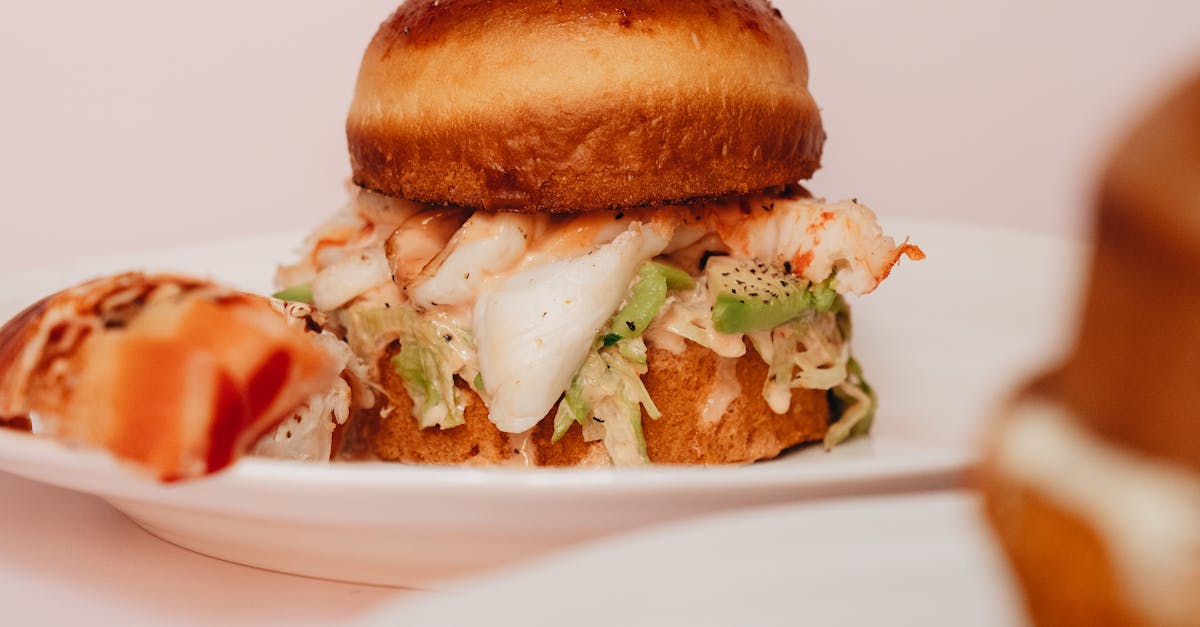
How to Thaw Frozen Lobster Safely
Cooking lobster from frozen is entirely feasible and can yield delicious results. Many culinary methods lend themselves well to this approach, allowing chefs and home cooks alike to prepare the crustacean without the need for thawing. Boiling is a st...
Read more →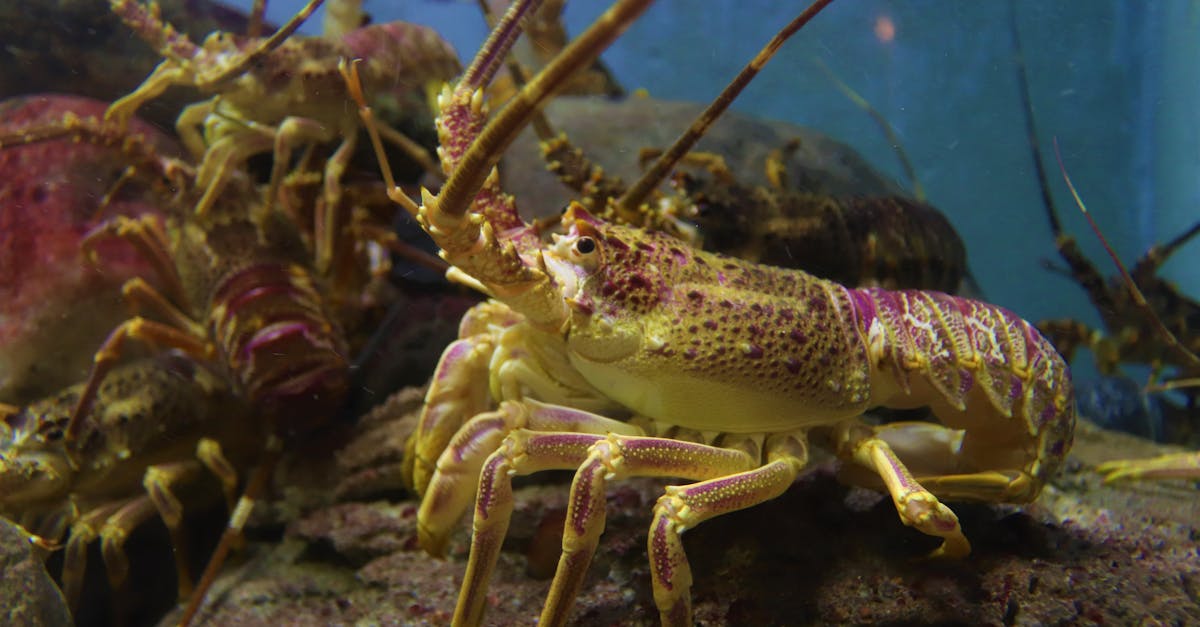
How to Cook Frozen Lobster Perfectly
Grilling frozen lobster can create a deliciously smoky flavour while ensuring the meat remains succulent. It's essential to prepare the lobster before placing it on the grill. Start by thawing it in the refrigerator for several hours or overnight, as...
Read more →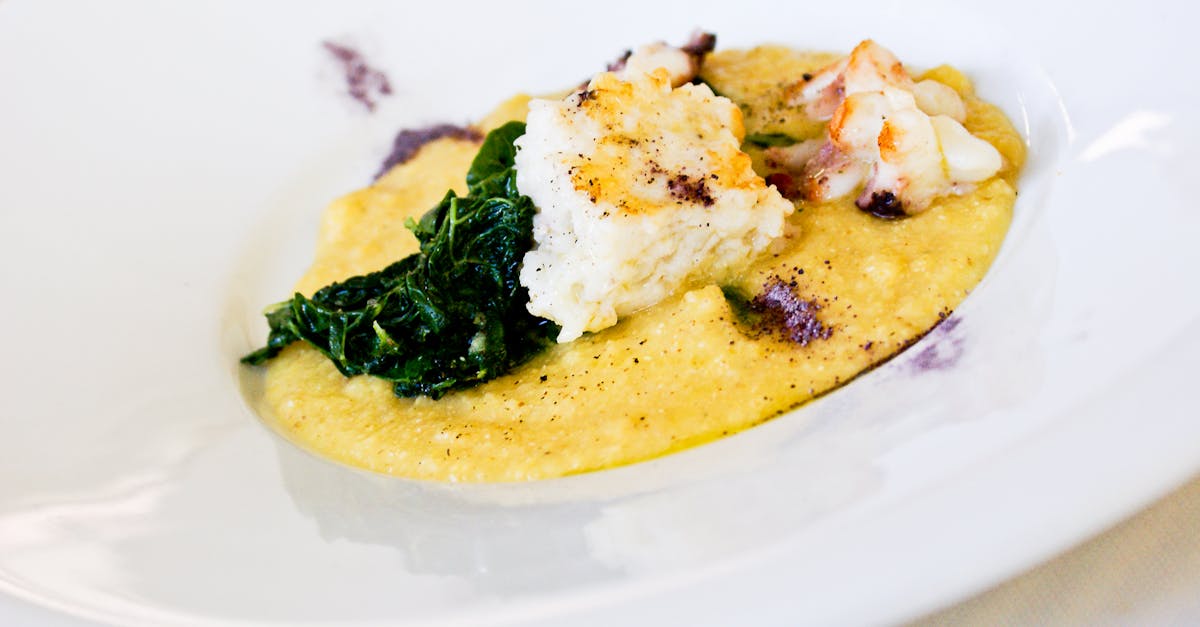
Roundup of the Best Frozen Lobster Recipes
Indulging in the rich and decadent flavours of baked lobster with garlic butter is a delightful experience. This dish highlights the natural sweetness of the lobster while adding a touch of elegance. Begin by preparing your frozen lobster tails, ensu...
Read more →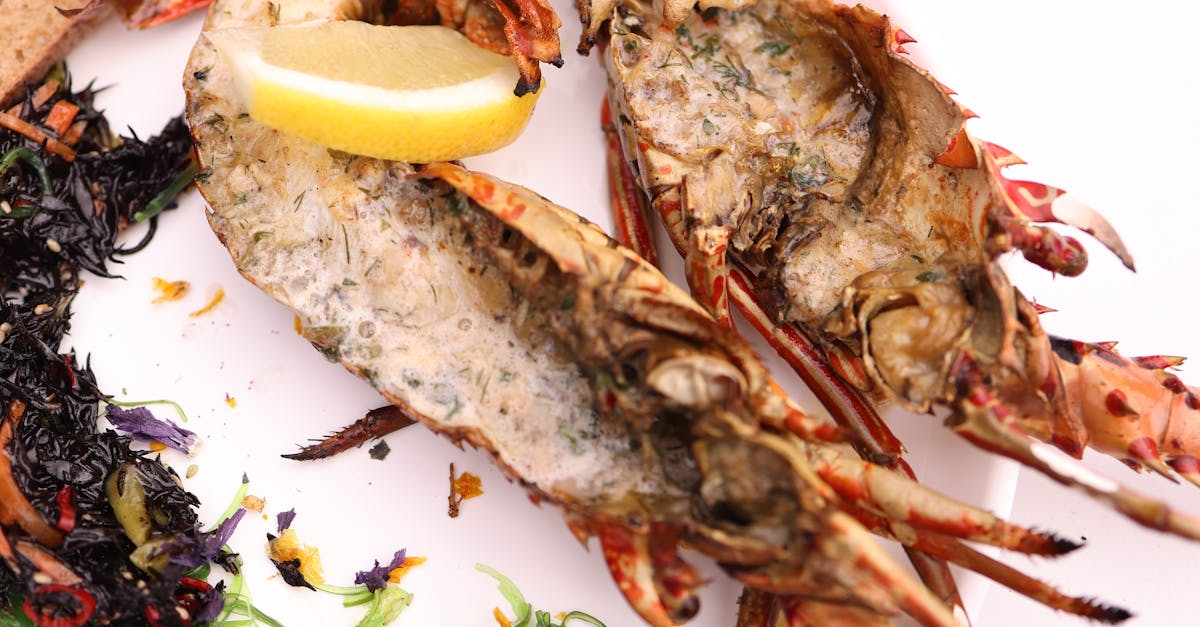
10 Health Benefits of Eating Frozen Lobster
Lobster is rich in essential nutrients that contribute to vibrant and healthy skin. It contains high levels of zinc, which plays a crucial role in skin cell production and repair. This mineral helps maintain the skin's elasticity and promotes healing...
Read more →
Review of Popular Frozen Lobster Brands
Global Seafoods has gained a reputation for its high-quality frozen lobster products, sourcing directly from sustainable fisheries. The brand prides itself on its commitment to freshness, ensuring that the lobsters are flash-frozen at sea to preserve...
Read more →
Historical Overview of Lobster Consumption
The availability of lobster experienced significant fluctuations during World War II. Various factors contributed to this shift, including the diversion of resources towards the war effort. Fishing fleets faced restrictions, causing a reduction in th...
Read more →
Why You Should Include Frozen Lobster in Your Diet
Frozen lobster offers significant savings for seafood lovers, making it an appealing choice for those on a budget. Fresh lobster can often be prohibitively expensive, particularly if it is out of season. By purchasing frozen lobster, consumers can ac...
Read more →
Why Frozen Lobster is a Healthy Seafood Choice
Lobster's delicate flavour and firm texture make it a staple in various cuisines around the world. This seafood can be prepared in multiple ways, from grilling to steaming and incorporating into sauces. Its ability to absorb flavours allows it to shi...
Read more →
What to Look for When Buying Frozen Lobster
The cost of frozen lobster can vary significantly based on several factors. One of the most prominent elements influencing price is the species of lobster. Maine lobster, for instance, may command a higher price due to its popularity and perceived qu...
Read more →
What to Know About the Nutritional Value of Frozen Lobster
When purchasing frozen lobster, it is essential to look for reputable suppliers that prioritise quality and sustainability. Check the packaging for a certification seal, which can indicate that the product has been sourced responsibly. Pay attention ...
Read more →
How to Properly Thaw Frozen Lobster
One of the most frequent errors is thawing lobster at room temperature. This approach can lead to uneven thawing and increase the risk of bacterial growth, potentially compromising the lobster's freshness. Instead, a safer method involves placing the...
Read more →
How to Cook Frozen Lobster for Maximum Taste
Determining the ideal doneness of lobster is crucial for achieving the best flavour and texture. A perfectly cooked lobster should have a firm texture, with the meat appearing opaque. The flesh will also typically display a slight sheen when it is do...
Read more →
Review of the Nutritional Benefits of Frozen Lobster
Lobster contains a variety of antioxidants, which play a crucial role in maintaining health. These compounds help neutralise free radicals in the body, potentially reducing oxidative stress and lowering the risk of chronic diseases. The presence of c...
Read more →
Roundup of the Best Ways to Prepare Frozen Lobster
Baking frozen lobster is a simple and effective method to achieve a delicious meal while preserving the delicate flavour and texture of the meat. Before starting, the lobster should be thawed for optimal results. Place the lobster in a refrigerator t...
Read more →
10 Nutritional Facts About Frozen Lobster You Should Know
Frozen lobster has a glycemic index (GI) that is considered low, making it a suitable choice for those monitoring their blood sugar levels. Foods with a low GI release glucose into the bloodstream at a slower rate, which can help maintain stable ener...
Read more →
Historical Nutritional Trends of Lobster Consumption
After the Second World War, significant changes in global economies and consumer behaviour began to emerge. In many Western countries, economic prosperity led to increased disposable income, allowing families to indulge in higher-quality food product...
Read more →
Why You Should Include Frozen Lobster in Your Diet
The unique taste of frozen lobster often surprises those who have yet to try it. Properly frozen lobster retains its natural sweetness and tender texture, making it an excellent option for seafood lovers. Many people believe that fresh lobster is sup...
Read more →
Why Frozen Lobster is a Healthy Choice
Responsible sourcing of frozen lobster focuses on environmentally friendly fishing techniques. Many suppliers implement measures that ensure lobster populations remain sustainable and healthy. They often adhere to regulations set by various organisat...
Read more →
What are the Vitamins Found in Frozen Lobster
Frozen lobster is a notable source of Vitamin K, which plays a crucial role in various bodily functions, including blood clotting and bone health. This fat-soluble vitamin exists in two main forms: K1 and K2, both of which contribute to the maintenan...
Read more →
What to Expect Nutritionally from Frozen Lobster
Lobster is a treasure trove of nutrients, including a variety of antioxidants that play a significant role in promoting health. One of the primary antioxidants present in lobster is astaxanthin, a carotenoid responsible for the shell's vibrant red hu...
Read more →
How to Identify Nutritional Quality in Frozen Lobster
When selecting frozen lobster, visual and textural indicators play a significant role in determining quality. Look for lobster tails that are intact, with minimal signs of freezer burn. Freezer burn appears as white, dried spots on the surface, which...
Read more →
How to Cook Frozen Lobster to Retain Nutritional Value
This method of cooking preserves the delicate texture and flavour of the lobster while maintaining most of its nutritional content. The gentle heat from the steam prevents the lobster from becoming rubbery, which is a common issue with more aggressiv...
Read more →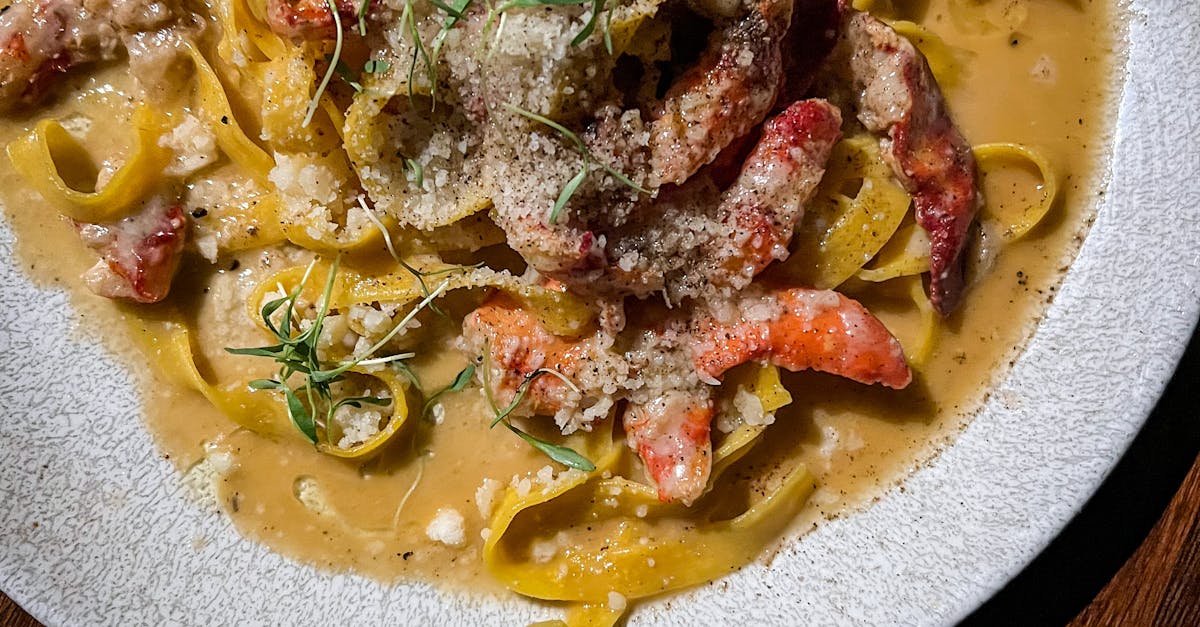
Roundup of Nutritional Facts about Frozen Lobster
Frozen lobster is a notable source of omega-3 fatty acids, which are often touted for their numerous health benefits. These essential fats contribute positively to cardiovascular health, helping to lower blood pressure and reduce inflammation. Furthe...
Read more →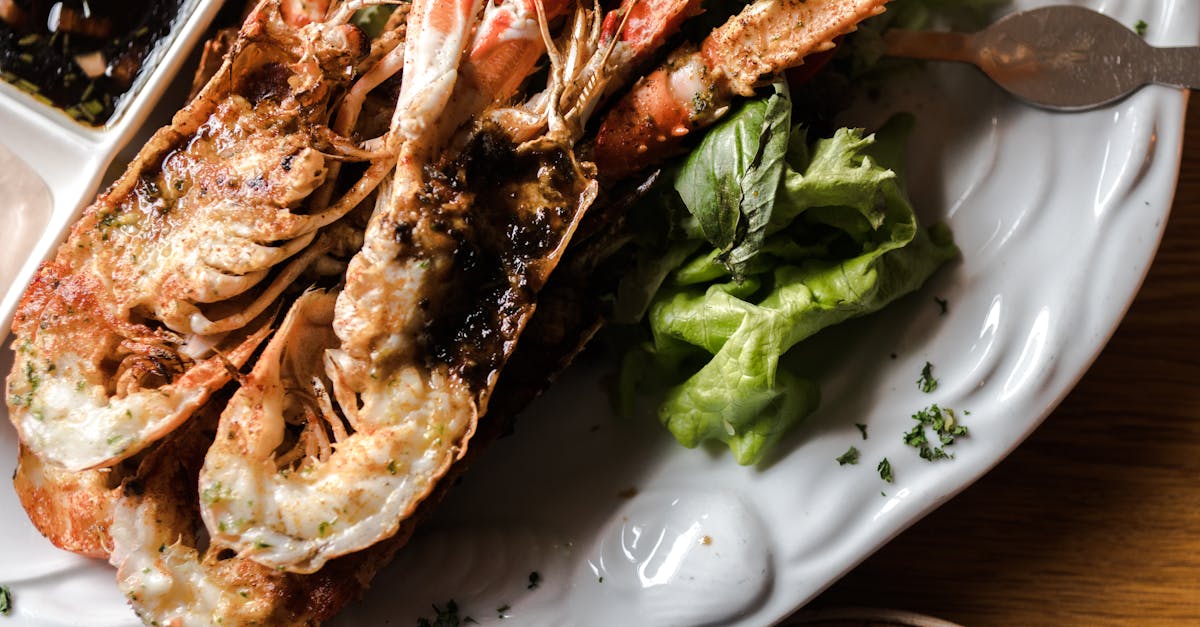
Review of the Best Frozen Lobster Brands
Frozen lobster can be prepared using various cooking methods, each offering distinct flavours and textures. Boiling is a classic technique, allowing the lobster to cook evenly while retaining its moisture. Submerging the lobster in a pot of salted wa...
Read more →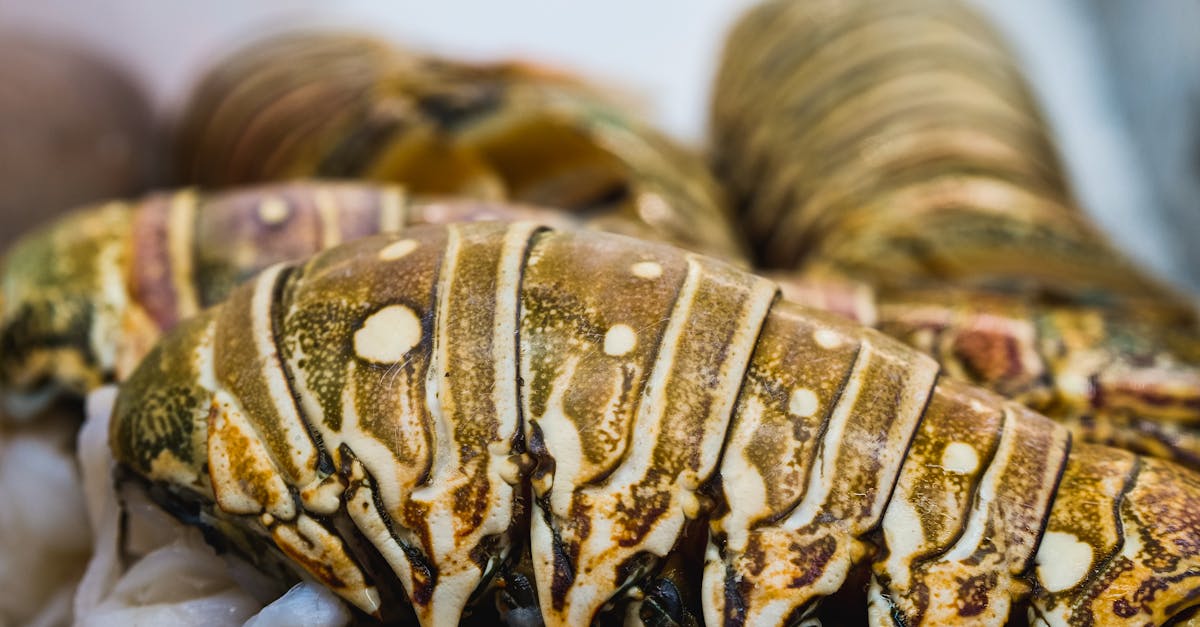
10 Amazing Health Benefits of Eating Frozen Lobster
Frozen lobster is a rich source of omega-3 fatty acids, which play a critical role in maintaining cognitive health. These essential fats are known to support brain function by facilitating the communication between neurons. Regular consumption of foo...
Read more →
Historical Overview of Lobster Consumption
Lobster has long been a significant contributor to the maritime economy, especially in coastal regions where fishing plays a central role. Its prominence can be traced back to early maritime communities that relied heavily on this crustacean as a sou...
Read more →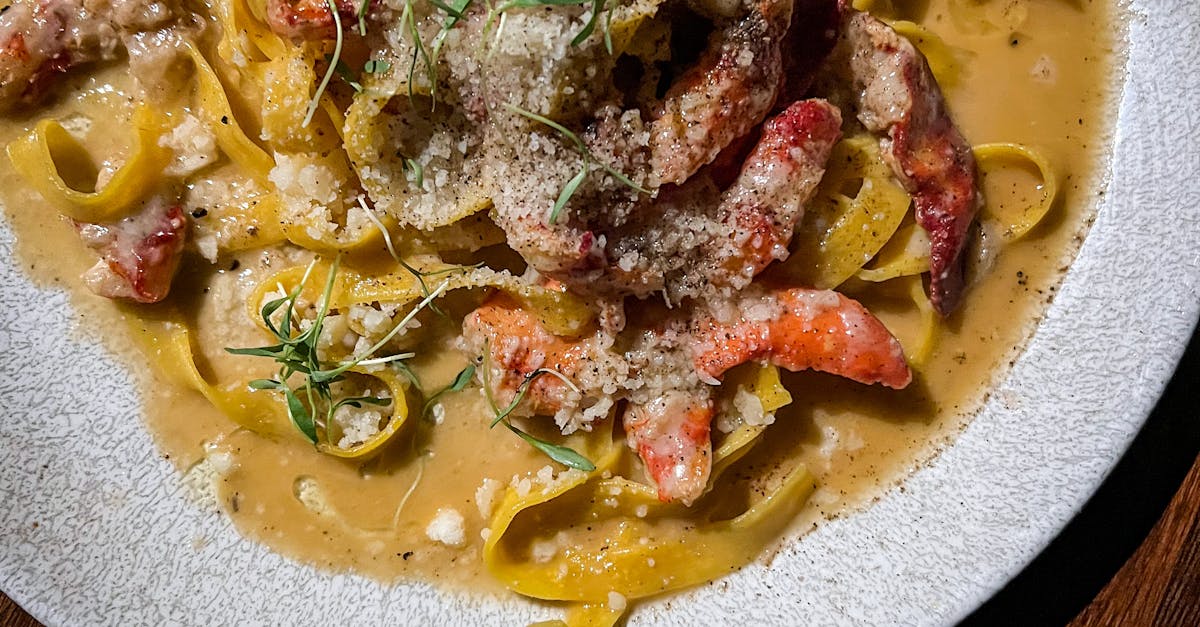
Why You Should Incorporate Frozen Lobster into Your Diet
Frozen lobster offers a consistent option for seafood enthusiasts, ensuring that this delicacy is available regardless of the season. The preservation process locks in freshness, allowing you to enjoy the rich flavours and tender texture of lobster t...
Read more →
Why Frozen Lobster is a Healthy Choice
Lobster, whether fresh or frozen, can enhance a wide array of dishes. Its unique, sweet flavour complements both simple preparations and complex culinary creations. Chefs often incorporate lobster into pasta, risottos, and salads, while home cooks ap...
Read more →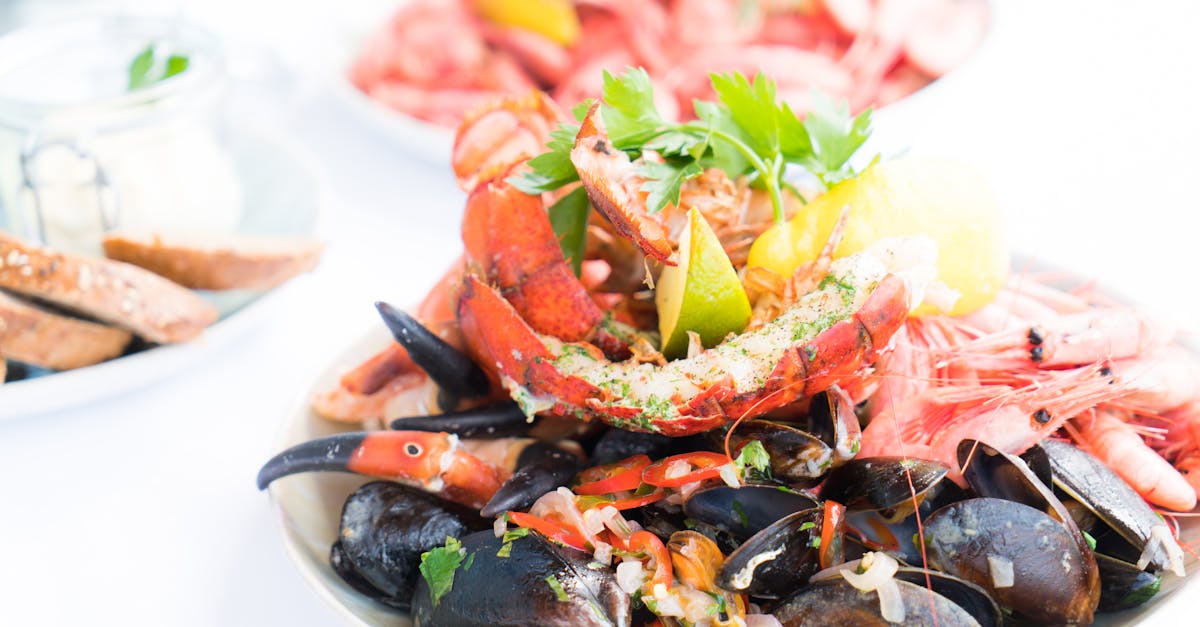
What to Know About Macronutrients in Frozen Lobster
When selecting frozen lobster, freshness remains a top priority. Look for products that are flash-frozen soon after being caught to preserve the quality and taste. Packaging can also offer insights into the product's integrity; ensure it is intact wi...
Read more →
What to Look for When Buying Frozen Lobster
When considering the cost of frozen lobster, several key elements come into play. Seasonal availability plays a significant role in pricing. During peak seasons, prices may drop due to increased supply, whereas off-peak times can lead to higher costs...
Read more →
How to Select Quality Frozen Lobster
When it comes to thawing frozen lobster, one of the most effective methods is to transfer it to the refrigerator a day before cooking. This gradual thawing preserves the texture and flavour of the lobster meat. Ensure that the lobster is kept in a se...
Read more →
How to Cook Frozen Lobster Perfectly
Begin by bringing a large pot of water to a rolling boil. The amount of water needed should be sufficient to allow the lobster to be fully immersed when added. For added flavour, consider incorporating sea salt or a splash of white wine into the boil...
Read more →
Review of the Best Frozen Lobster Brands
The Lobster Lovers’ Choice brand has carved out a niche for itself among seafood enthusiasts. Their commitment to quality is evident in the sourcing of lobsters, which are harvested sustainably from pristine waters. This dedication not only ensures...
Read more →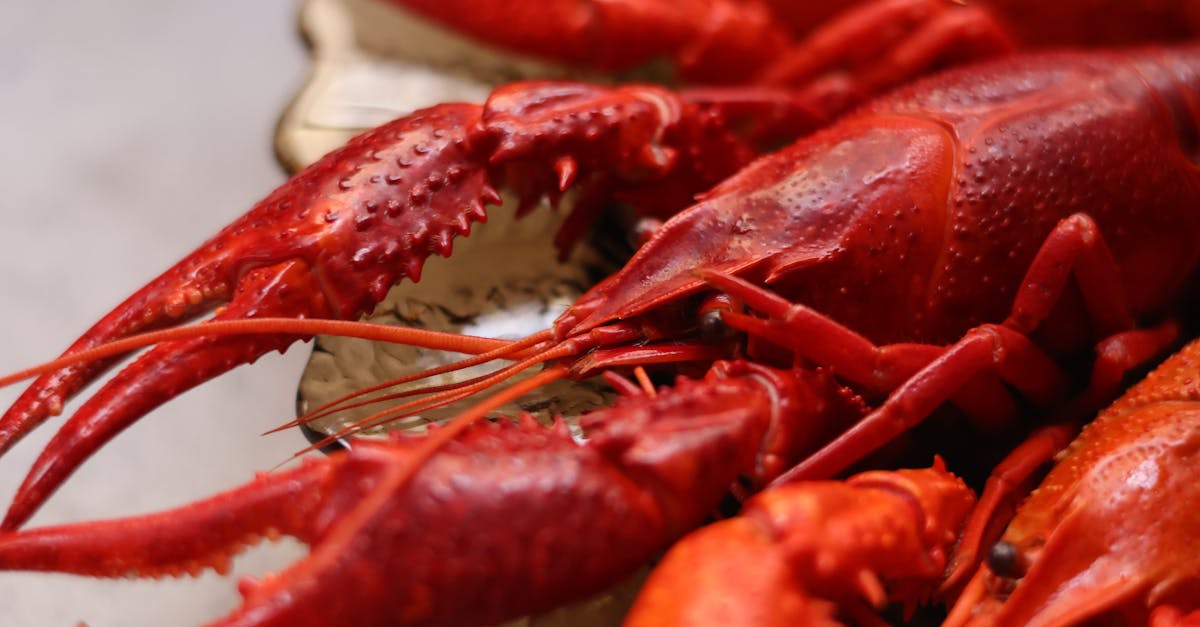
10 Delicious Recipes Featuring Frozen Lobster
A vibrant salad combining succulent lobster and a zesty citrus dressing offers a refreshing meal option for any occasion. The combination of tender lobster meat with crisp greens creates a delightful contrast. Fresh ingredients, such as avocado and c...
Read more →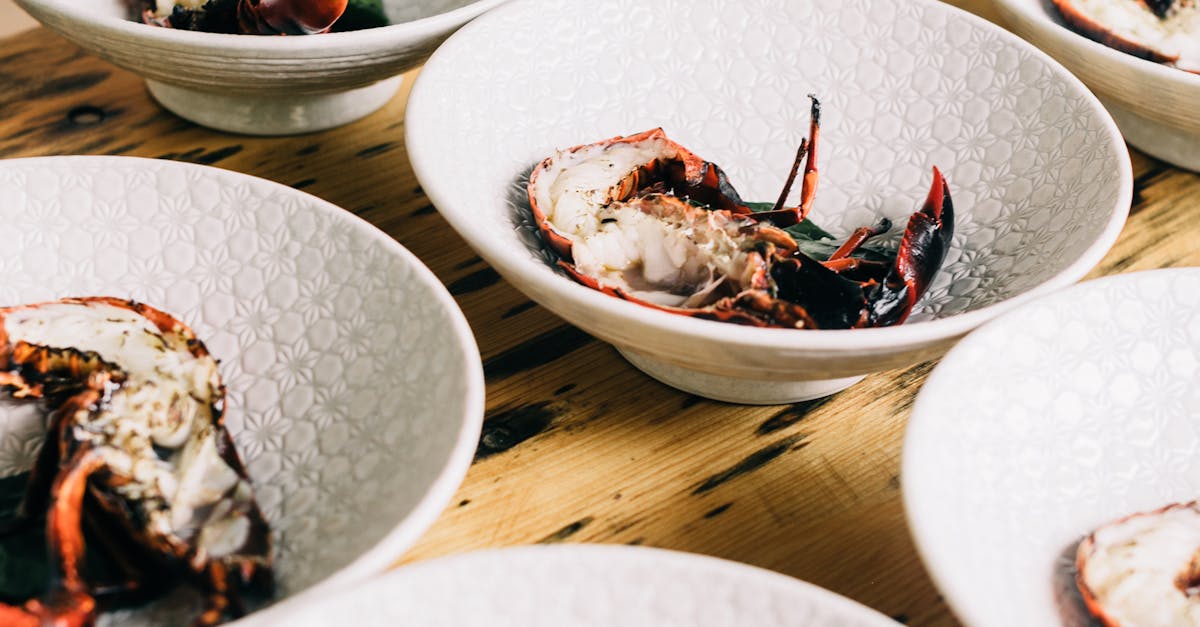
Roundup of Essential Tools for Cooking Frozen Lobster
When serving lobster, the right utensils can elevate the dining experience. Lobster crackers are essential for effortlessly breaking through the shell, allowing guests to enjoy the tender meat inside. A set of seafood forks or picks is equally import...
Read more →
Historical Uses of Lobster in British Cuisine
The impact of the World Wars on British cuisine was profound, influencing not only the availability of ingredients but also the ways in which food was prepared and consumed. During both conflicts, lobster, once viewed as a luxurious delicacy, experie...
Read more →
Why Proper Thawing of Frozen Lobster Matters
When preparing to enjoy frozen lobster, it is crucial to thaw it correctly. The best practice involves transferring the lobster from the freezer to the refrigerator. This allows it to defrost gradually over several hours or overnight. A slow thawing ...
Read more →
Why Frozen Lobster is a Convenient Choice
Choosing frozen lobster can significantly help in minimising food waste. Fresh seafood often has a short shelf life, leading to potential spoilage before it can be consumed. With frozen options, the risk of excess purchases going to waste is greatly ...
Read more →
What to Know Before Cooking Frozen Lobster
Lobster, with its rich and succulent flavour, pairs wonderfully with a variety of accompaniments that enhance its taste. A classic pairing includes melted garlic butter, which complements the natural sweetness of the meat and adds a luxurious touch. ...
Read more →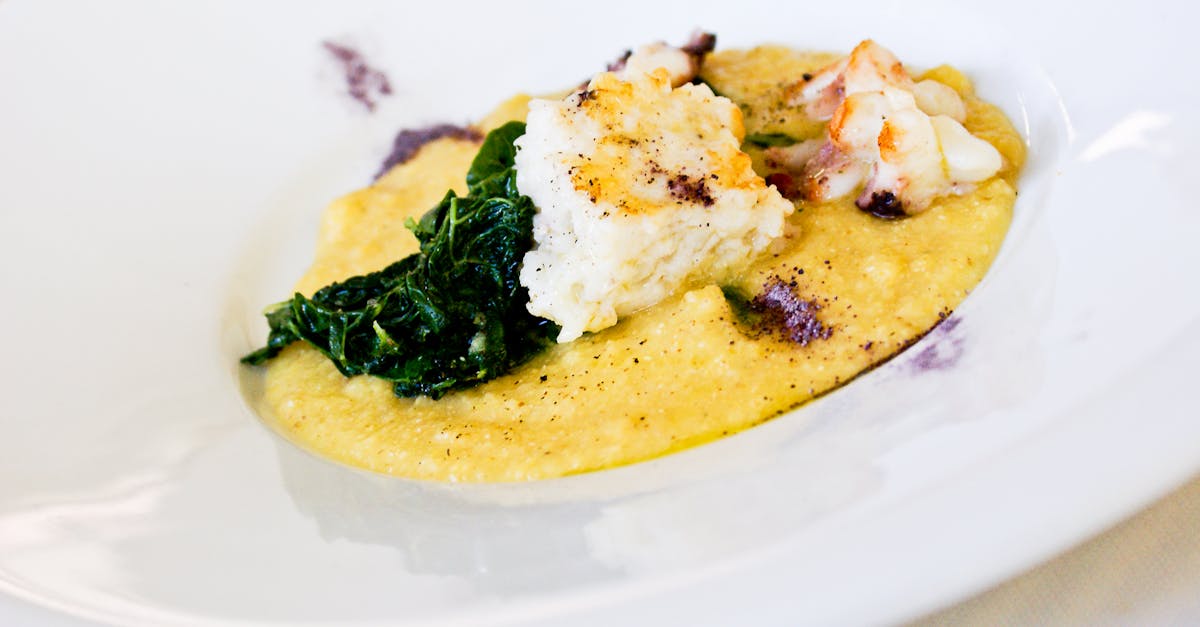
What to Serve with Frozen Lobster
A chilled glass of white wine serves as a classic accompaniment to lobster. The crispness and acidity of unoaked Chardonnay elevate the dish beautifully. This wine's subtle flavours complement the sweetness of the lobster meat without overpowering it...
Read more →
How to Thaw Frozen Lobster Efficiently
One of the most common mistakes is leaving lobster at room temperature to thaw. This practice can lead to uneven thawing and create an environment conducive to harmful bacteria. Instead, opt for a controlled method by placing the lobster in the refri...
Read more →
How to Cook Frozen Lobster Perfectly
Grilling frozen lobster can yield delicious results when done correctly. Start by thawing the lobster tails in the refrigerator for about 8 to 12 hours. Once they are fully thawed, carefully slice them down the centre of the shell with kitchen scisso...
Read more →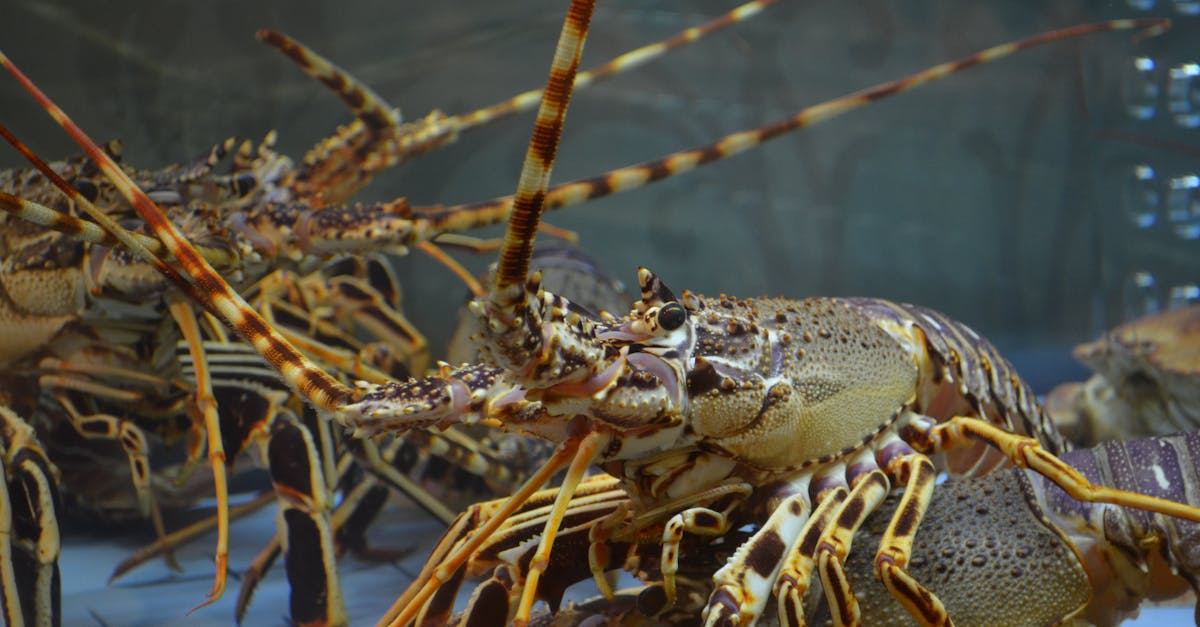
Roundup of Essential Tips for Cooking Frozen Lobster
Cooking frozen lobster requires careful attention to both timing and temperature. A general rule of thumb is to aim for an internal temperature of 60°C to 65°C for perfectly cooked lobster meat. For best results, utilise a thermometer to ensure acc...
Read more →
10 Delicious Recipes Featuring Frozen Lobster
A rich and creamy blend of cheeses forms the heart of this indulgent dish. Combining sharp cheddar, Gruyère, and a sprinkle of Parmesan offers depth of flavour. The key is to achieve a velvety texture that coats each piece of pasta and pairs perfect...
Read more →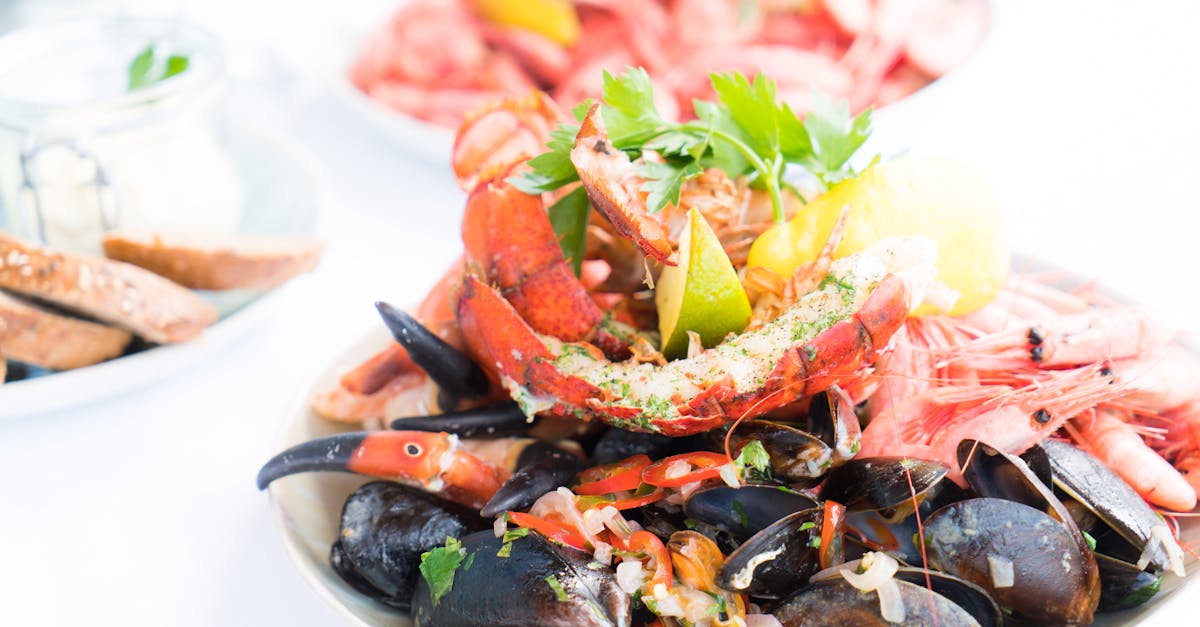
The History of Lobster Cooking Techniques
The advent of industrialisation brought significant changes to the lobster industry. With advancements in technology and transportation, the once local delicacy became more widely available. Increased mechanisation in fishing allowed for greater catc...
Read more →
How to Marinade Frozen Lobster
The marination time for frozen lobster largely depends on the marinade composition and the desired flavour intensity. Generally, a duration of 30 minutes to two hours is recommended. While shorter times can help impart a subtle taste, longer marinati...
Read more →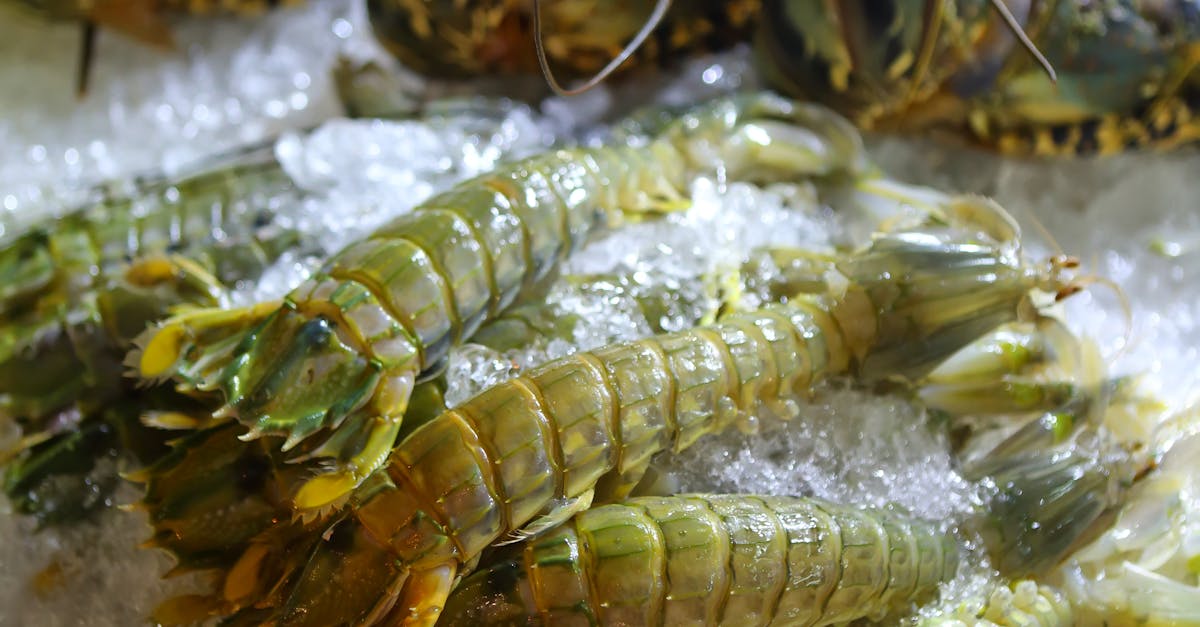
Review of the Best Frozen Lobster Brands
Frozen lobster serves as a rich source of essential nutrients. It is packed with high-quality protein, which is vital for muscle retention and overall health. Additionally, lobster provides significant amounts of omega-3 fatty acids, known for their ...
Read more →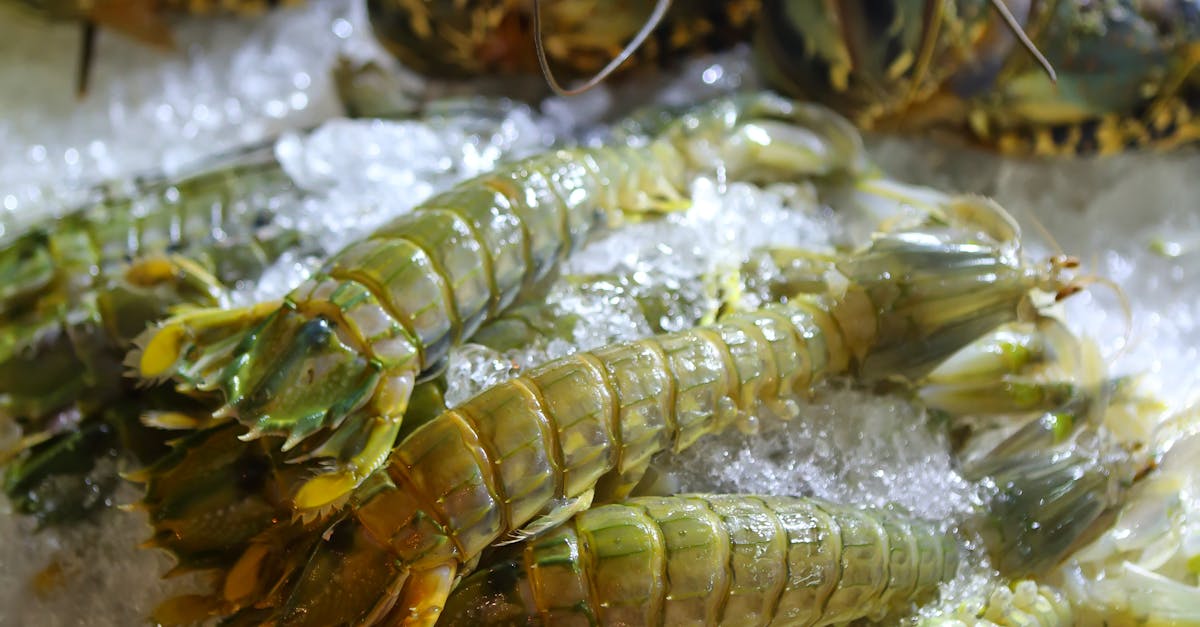
Why Lobster is a Popular Choice for Special Occasions
The distinct flavour of lobster lends itself beautifully to a variety of wine pairings. A classic choice is a chilled white wine, such as Chardonnay, which complements the richness of the meat without overpowering it. Alternatively, a dry Riesling ca...
Read more →
Why Choose Frozen Lobster Over Fresh
Lobster is often viewed as a luxurious treat, typically enjoyed during specific seasons. Fresh lobster can be difficult to source due to varying harvest times and environmental factors affecting fishing. In contrast, frozen lobster offers a reliable ...
Read more →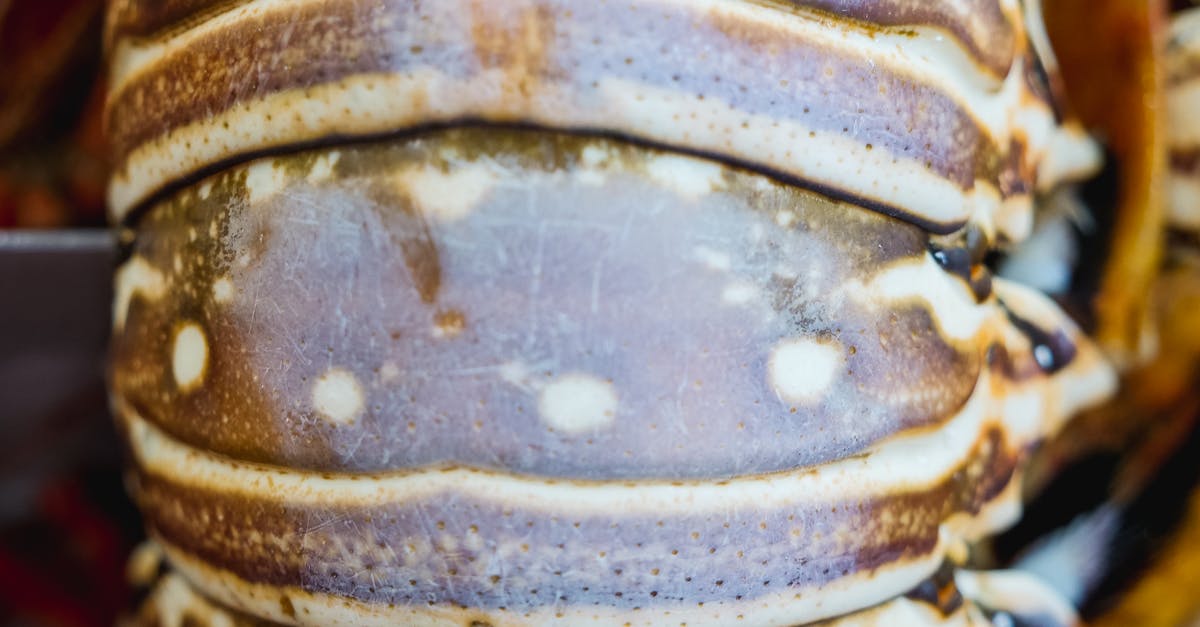
What to Serve with Frozen Lobster
A crisp white wine is often the go-to choice for pairing with lobster, complementing the delicate flavours of the seafood. Chardonnays, particularly those with a touch of oak, enhance the richness of the dish while balancing its natural sweetness. An...
Read more →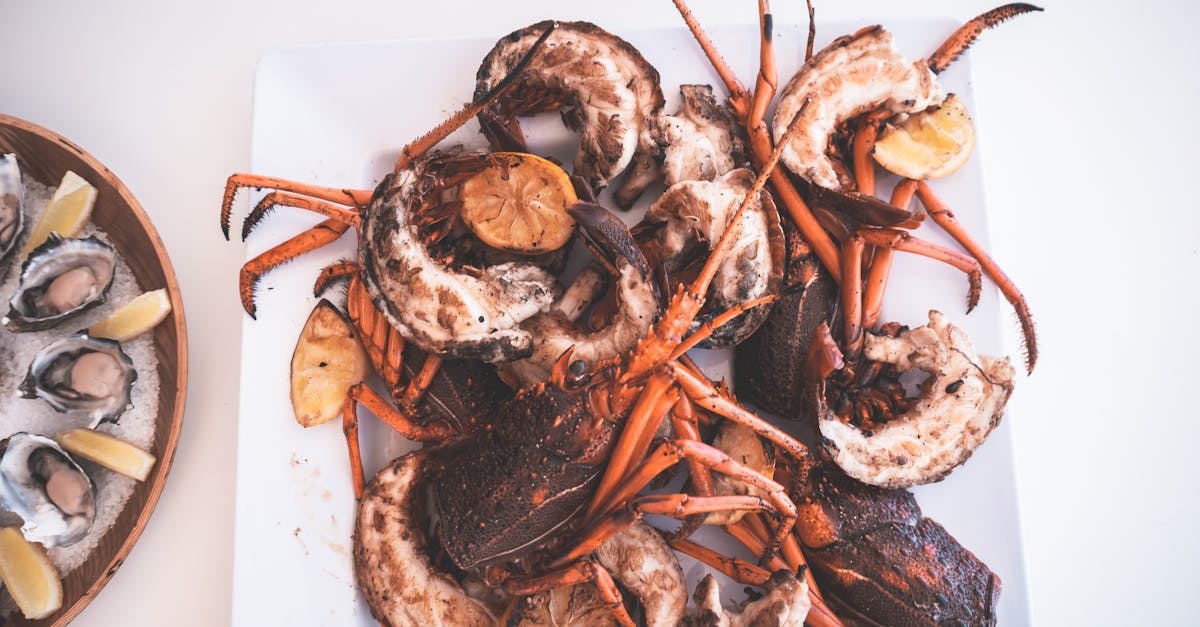
How to Thaw Frozen Lobster Safely
When assessing whether lobster has been properly thawed, texture plays a crucial role. A well-thawed lobster should feel slightly firm to the touch yet yield under gentle pressure. The meat should be opaque and appear moist rather than dry, as a dry ...
Read more →
How to Cook Frozen Lobster Perfectly
The steam method helps retain the moisture and delicate flavour of the lobster, making it a popular choice among seafood lovers. To achieve this, fill a large pot with about two inches of water and bring it to a simmer. Make sure to use a steaming ba...
Read more →
Roundup of Essential Tips for Cooking Frozen Lobster
Lobster serves as a luxurious centrepiece for a special meal. One popular serving option involves laying succulent lobster meat over a bed of buttery pasta. Mixing in garlic, parsley, and a squeeze of lemon enhances the dish's elegance. For a light o...
Read more →
Review of the Best Frozen Lobster Brands
This brand has garnered a reputation for its commitment to sustainability throughout its supply chain. The sourcing of lobsters is executed in a manner that ensures minimal environmental impact. Ethical practices are prioritised, with attention given...
Read more →
10 Delicious Recipes Featuring Frozen Lobster
A creamy risotto paired with succulent lobster creates a dish that embodies comfort and sophistication. First, prepare a base using high-quality arborio rice, sautéed shallots, and a splash of white wine. Gradually incorporate warm seafood stock, st...
Read more →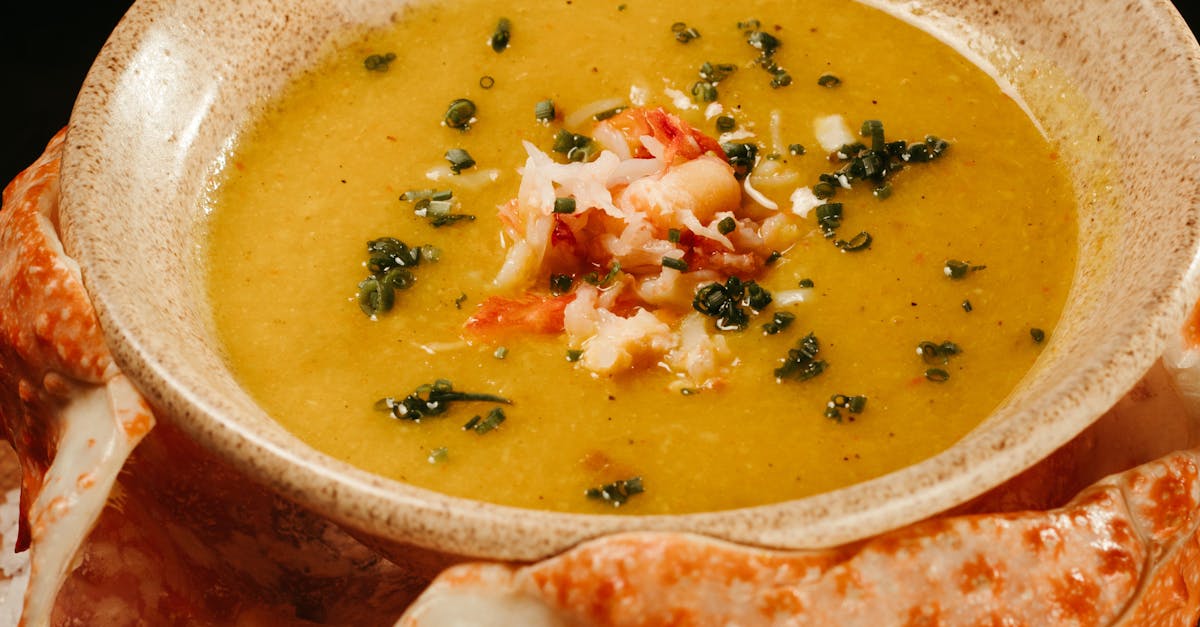
The History of Frozen Lobster in Culinary Traditions
Lobster has long held a place of prominence in American gastronomy. This crustacean, once considered a food for the lower classes and used as bait, transformed into a delicacy that graces dining tables across the nation. Its journey from the Atlantic...
Read more →
Why You Should Consider Frozen Lobster Over Fresh
Frozen lobster often presents a more sustainable choice in comparison to fresh options. The freezing process can reduce waste and allow for better management of lobster populations. When caught and frozen shortly after harvesting, lobsters can mainta...
Read more →
Why Frozen Lobster is a Great Choice for Dinner
Frozen lobster offers a range of cooking methods that can adapt to various culinary preferences. One popular technique is steaming, which preserves the lobster’s natural flavours while ensuring it remains tender. Alternatively, grilling adds a deli...
Read more →
What to Know About Cooking Frozen Lobster
When serving lobster, presentation plays a vital role in enhancing the dining experience. A simple yet elegant way to serve lobster is to place the meat in its shell, resting atop a bed of finely chopped herbs or greens. Accompanying it with a drizzl...
Read more →
What to Serve with Frozen Lobster
Starting a meal with something light and flavourful sets a delightful tone. Fresh oysters are a classic choice, their briny essence perfectly complementing the sweetness of lobster. Served on the half shell with a squeeze of lemon or a drizzle of mig...
Read more →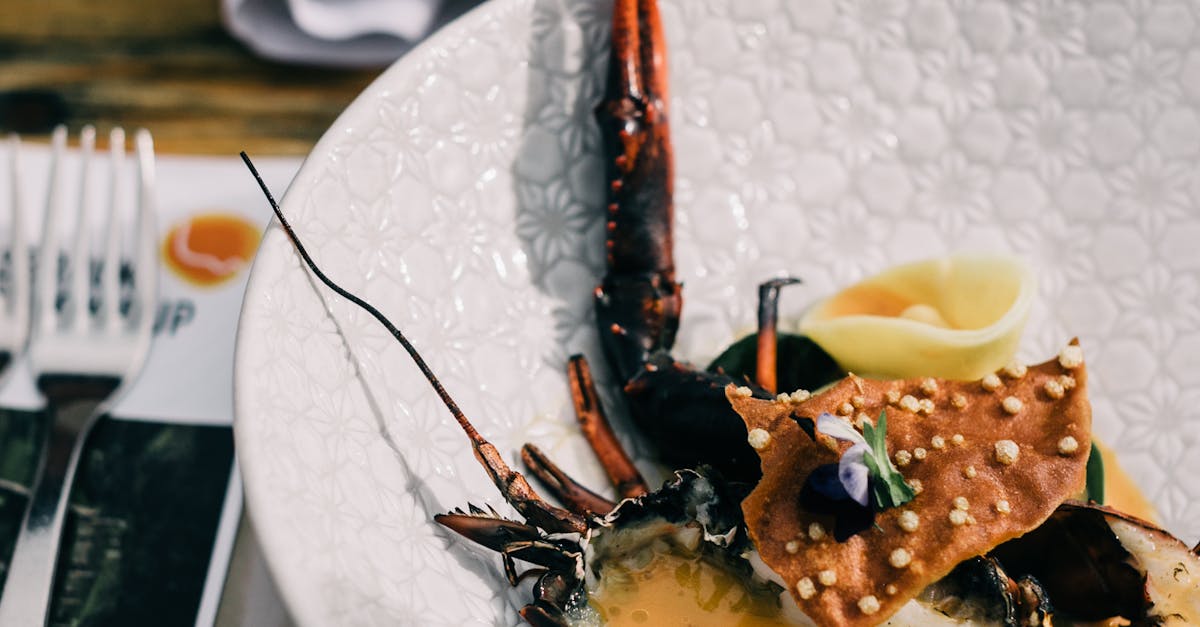
How to Thaw Frozen Lobster Safely
Once the lobster has thawed completely, careful handling is essential to ensure the best culinary outcome. Rinse the thawed lobster under cold running water to remove any residual ice and debris. Inspect the shell for any signs of damage or cracks, w...
Read more →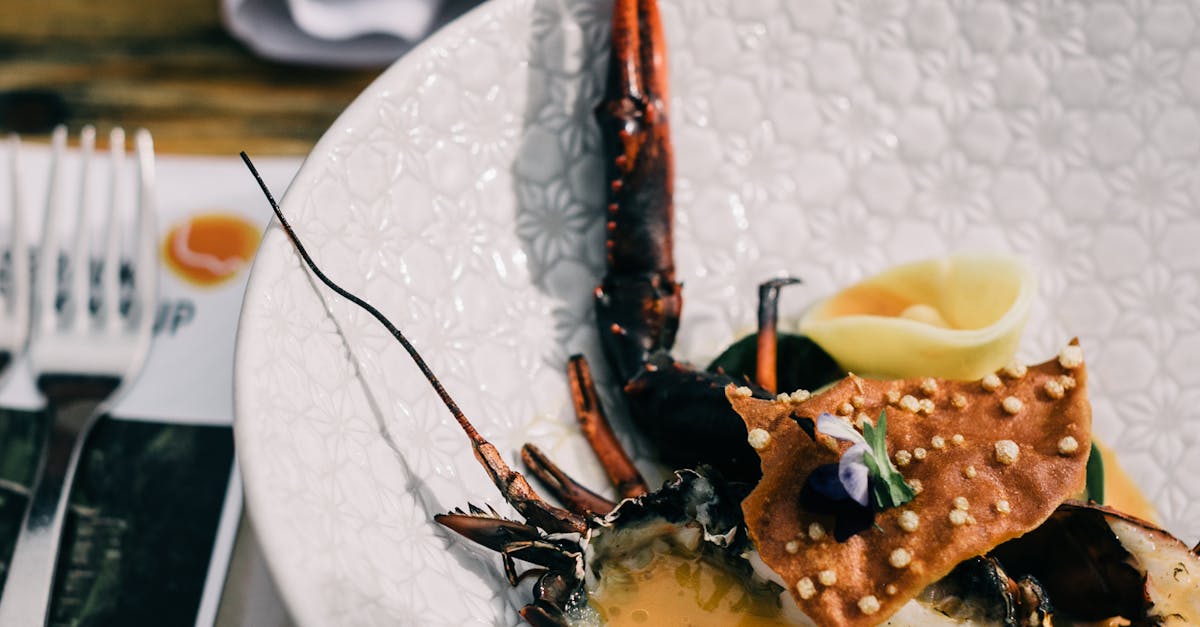
How to Cook Frozen Lobster Perfectly
Grilling is a fantastic method to bring out the natural sweetness of frozen lobster. Start by thawing the lobster tails in the refrigerator for several hours or overnight. Once thawed, prepare them by cutting the tops with kitchen scissors to expose ...
Read more →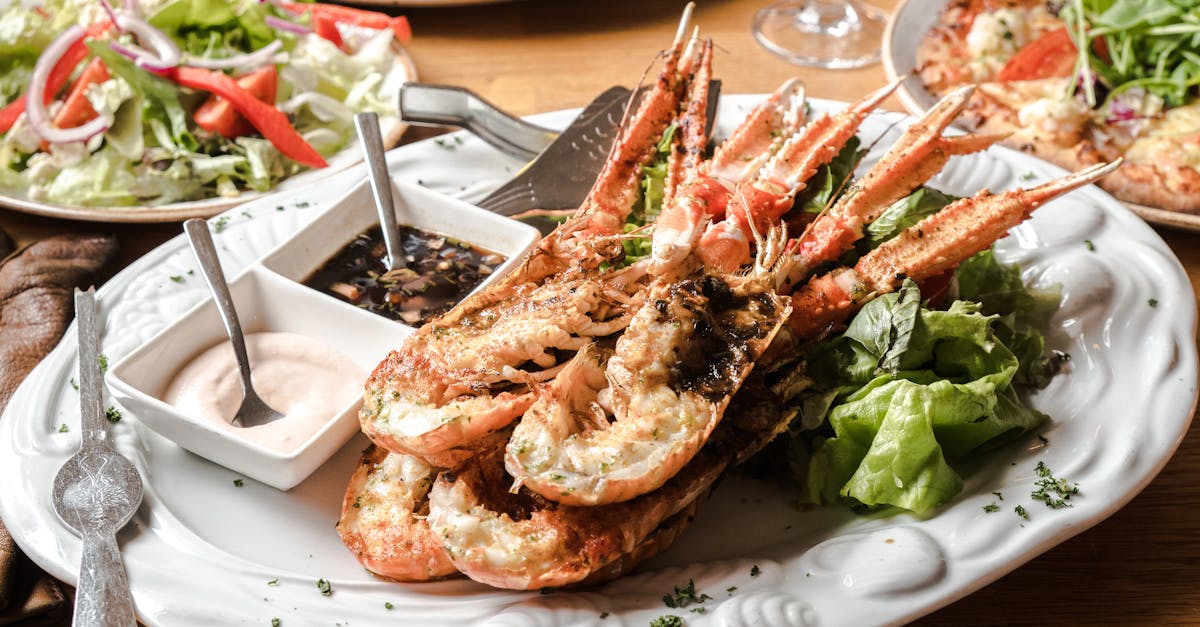
Roundup of Essential Tips for Cooking Frozen Lobster
Cooking frozen lobster can be a delightful culinary challenge. Begin by preheating the oven to the ideal temperature. Wrapping the lobster in foil helps retain moisture, ensuring a succulent result. Arrange the lobsters on a baking tray for easy hand...
Read more →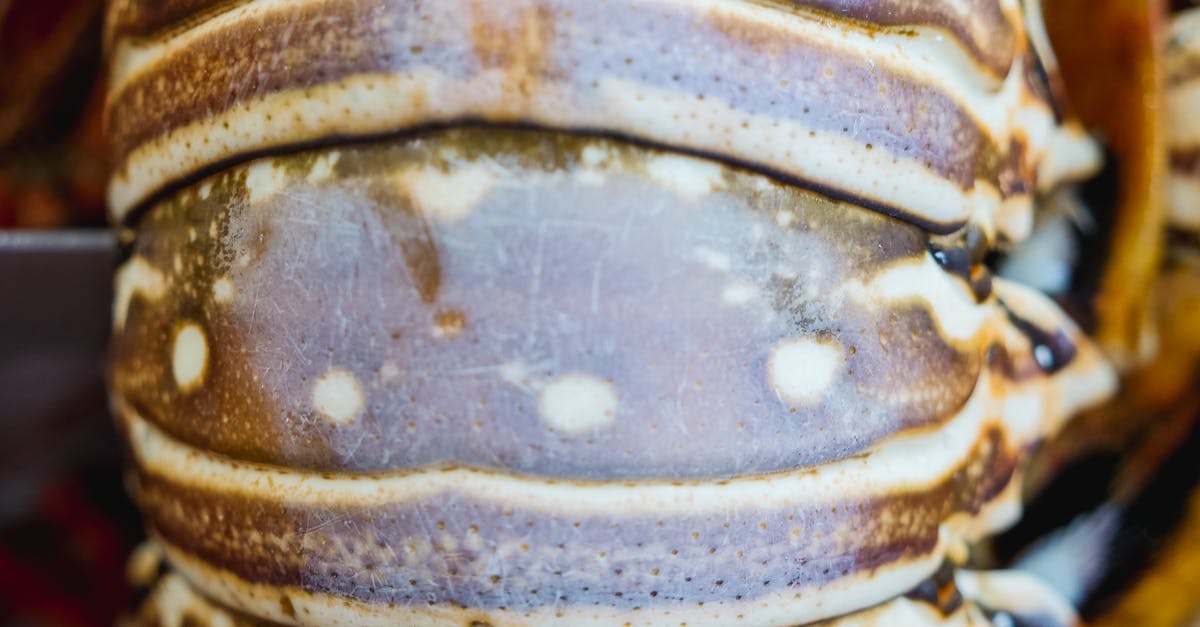
Review of the Best Frozen Lobster Brands
When evaluating the price points of frozen lobster brands, a clear distinction emerges between premium and budget options. Premium brands tend to offer lobster that is sustainably sourced and often flash-frozen shortly after harvest. While this resul...
Read more →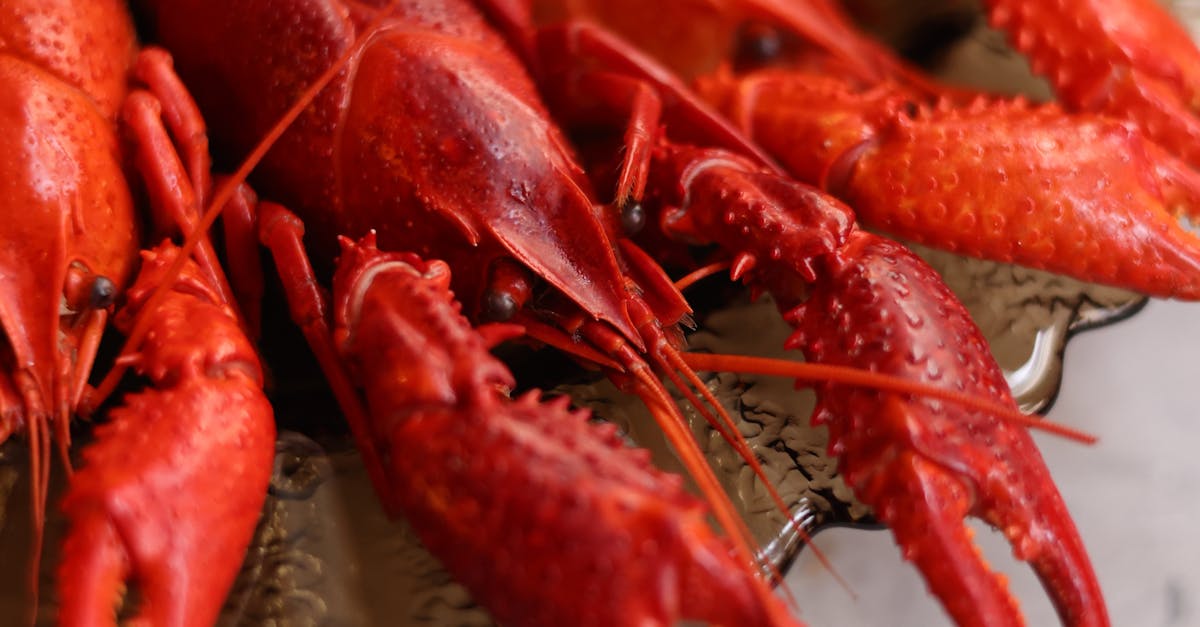
10 Delicious Recipes Featuring Frozen Lobster
These tacos present a delightful fusion of flavours, where the sweet and succulent lobster pairs beautifully with the bright and zesty mango salsa. The process begins by gently warming the frozen lobster meat until it’s tender, then folding it into...
Read more →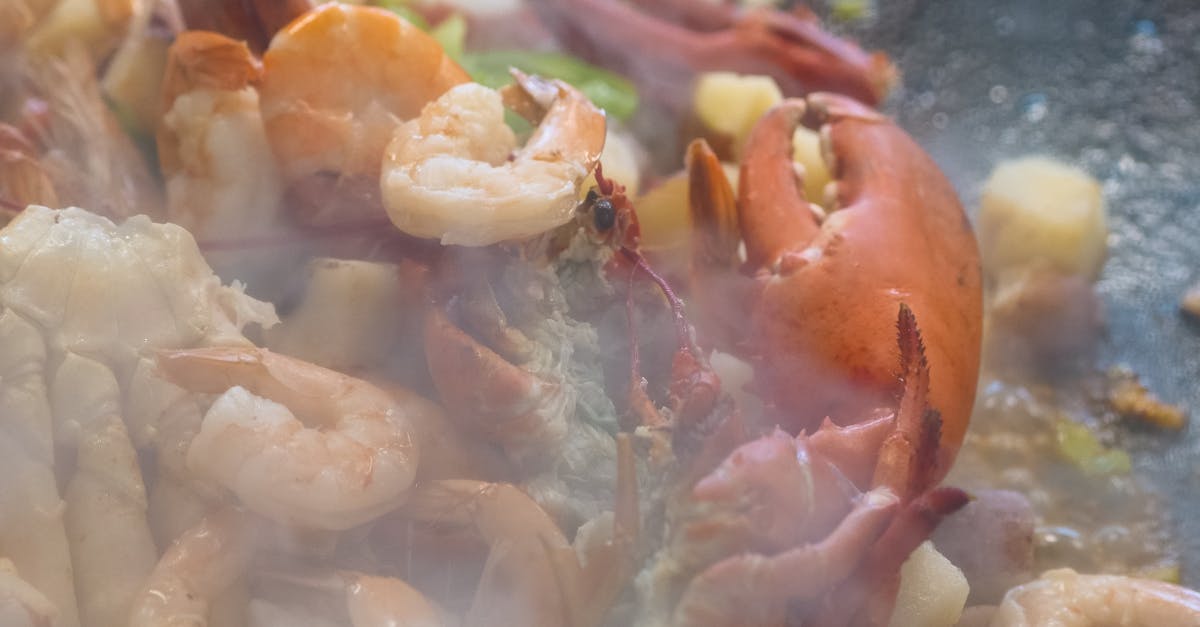
The History of Lobster in British Cuisine
The introduction of canned lobster in the late 19th century marked a significant turning point in how this seafood was consumed within British cuisine. With advancements in canning technology, notable companies began packaging lobster meat for preser...
Read more →
Why Thawing Frozen Lobster is Important
Thawing lobster requires careful attention to timing to ensure optimal texture and flavour. If the lobster is thawed too quickly, it can become mushy and lose its natural sweetness. On the other hand, if it is left to thaw for too long, especially at...
Read more →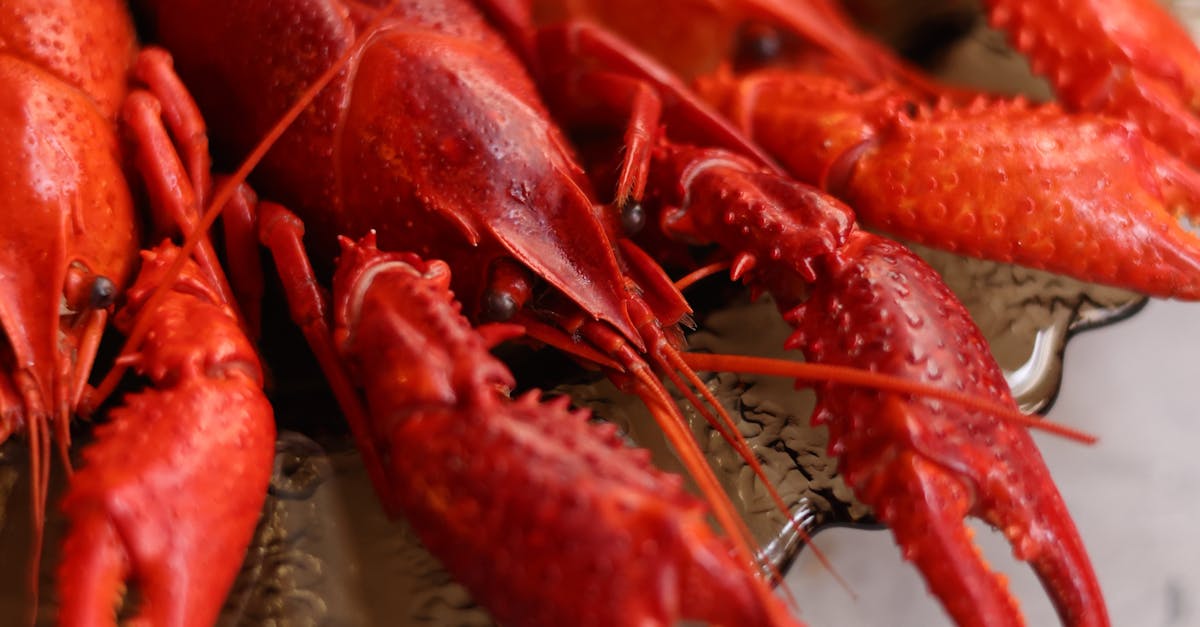
Why You Should Choose Frozen Lobster
Choosing frozen lobster often aligns with environmentally responsible practices. Many suppliers prioritise sustainable fishing methods, following strict regulations that aim to preserve marine ecosystems. These measures not only ensure that lobster p...
Read more →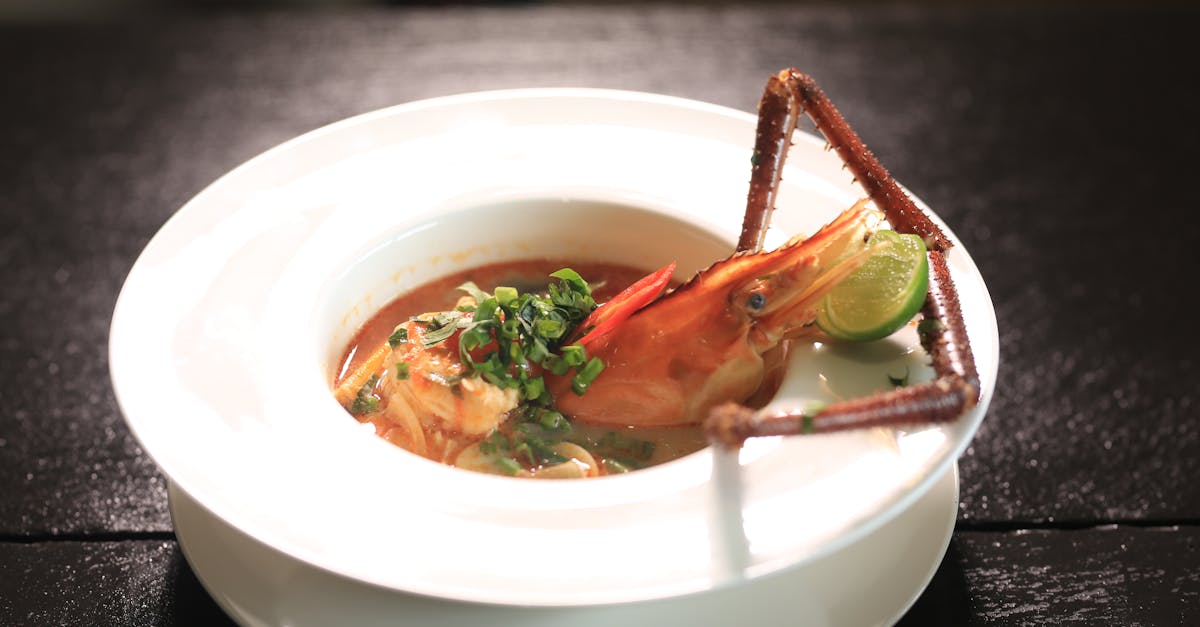
What to Know About Thawing Frozen Lobster
Thawing frozen lobster may seem straightforward, but several common mistakes can compromise the quality of the seafood. One significant error is using hot water to expedite the process. This method can lead to uneven thawing, with some parts of the l...
Read more →
How to Cook Frozen Lobster Perfectly
Grilling enhances the natural sweetness of lobster, creating a smoky flavour that complements its delicate meat. Begin by thawing the lobster thoroughly, ensuring an even cooking process. Cut the lobster in half lengthwise, brushing the meat with a m...
Read more →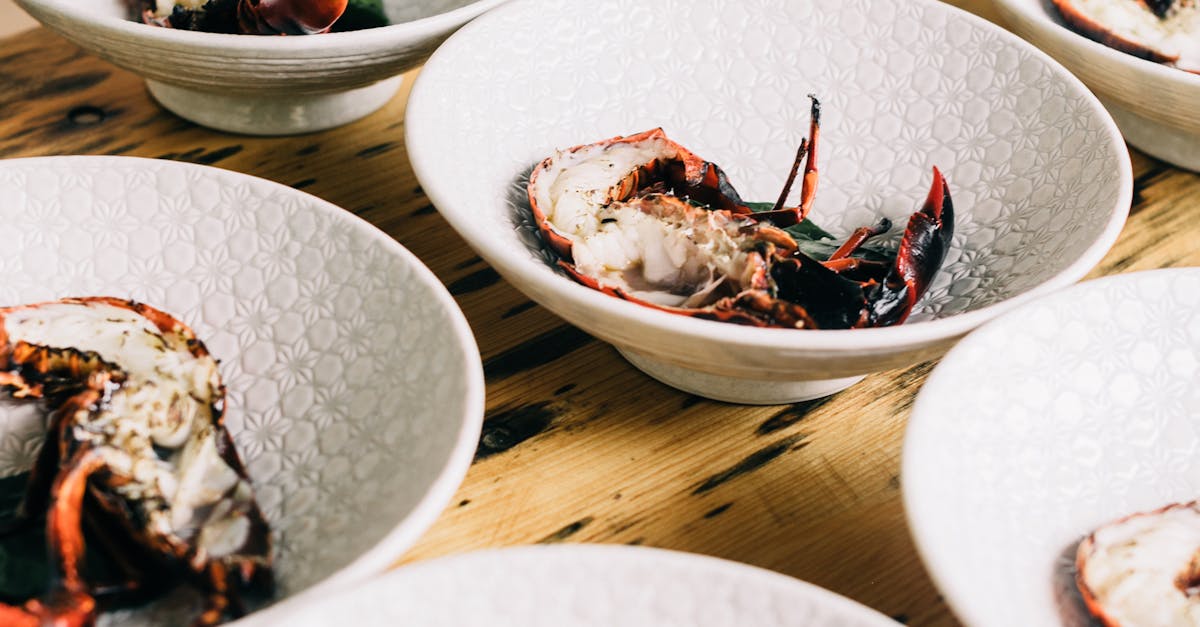
What to Serve with Frozen Lobster
Pairing frozen lobster with unique flavours can transform a traditional meal into a culinary adventure. Accompanying the sweet, tender meat with something unexpected can enhance its natural taste. Consider serving lobster with mango salsa; the fruit'...
Read more →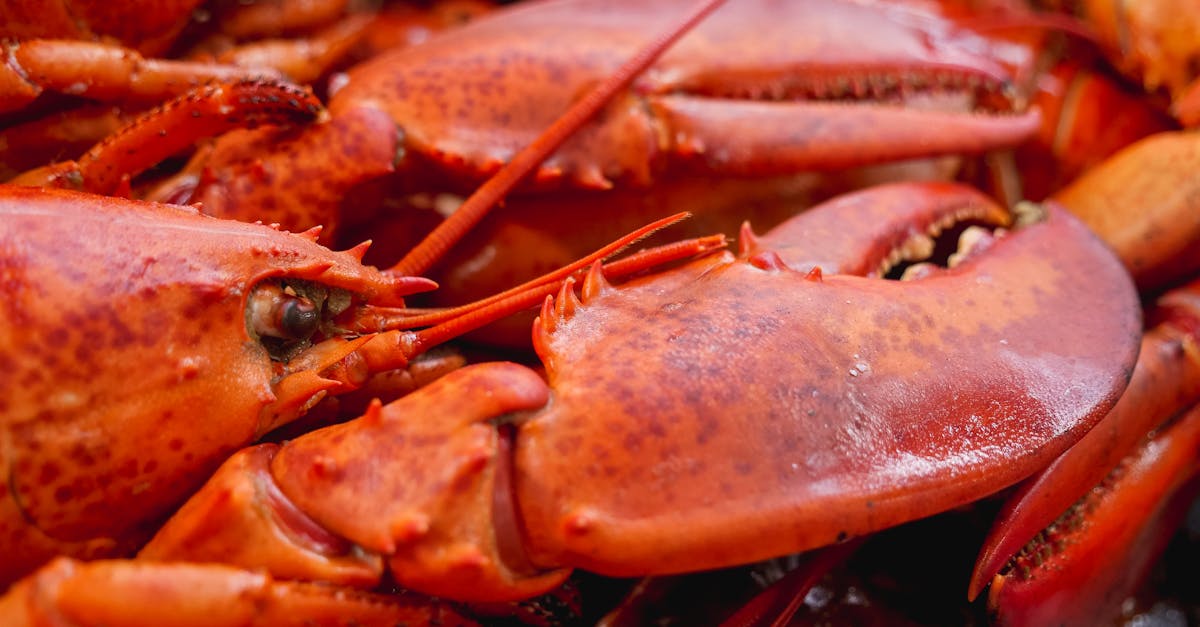
How to Properly Thaw Frozen Lobster
Determining whether lobster is properly thawed involves assessing its texture and flexibility. A thawed lobster should feel firm yet yield slightly when pressed. The meat should be opaque in colour. If the lobster appears translucent or seems overly ...
Read more →
Roundup of Essential Cooking Tools for Frozen Lobster
When preparing frozen lobster, having the right knife is crucial for a smooth experience. A sharp lobster knife is designed specifically for cutting through the tough shell while allowing for precision when reaching the delicate meat inside. Its dist...
Read more →
Review of the Best Frozen Lobster Brands
Seafood Express has garnered a strong reputation among seafood lovers, known for its high-quality frozen lobster products. The brand sources its lobsters from sustainable fisheries, ensuring that each catch meets strict quality standards. Customers o...
Read more →
10 Delicious Recipes Featuring Frozen Lobster
The vibrant flavours of lobster tacos create a delicious fusion that is both light and satisfying. Using frozen lobster allows for quick preparation while retaining that delectable seafood taste. Start by gently warming the lobster meat in a pan, add...
Read more →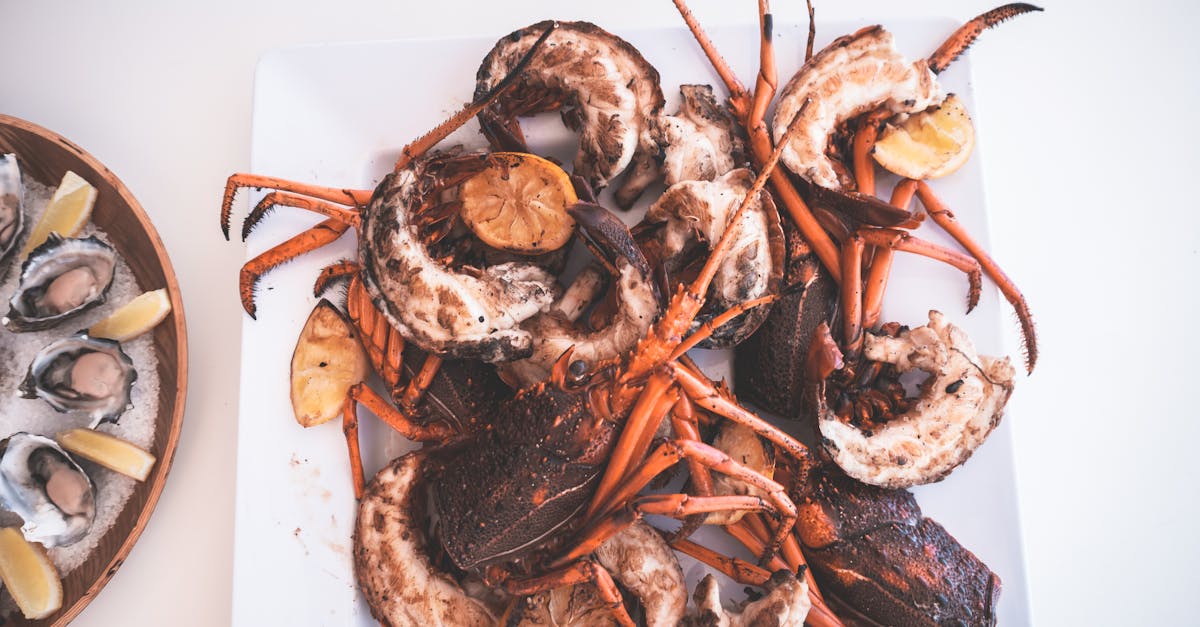
The History of Lobster Cooking Techniques
The evolution of cooking techniques has significantly influenced how seafood, particularly lobster, is prepared and enjoyed today. Throughout history, methods such as boiling and baking were prevalent; however, the introduction of modern culinary pra...
Read more →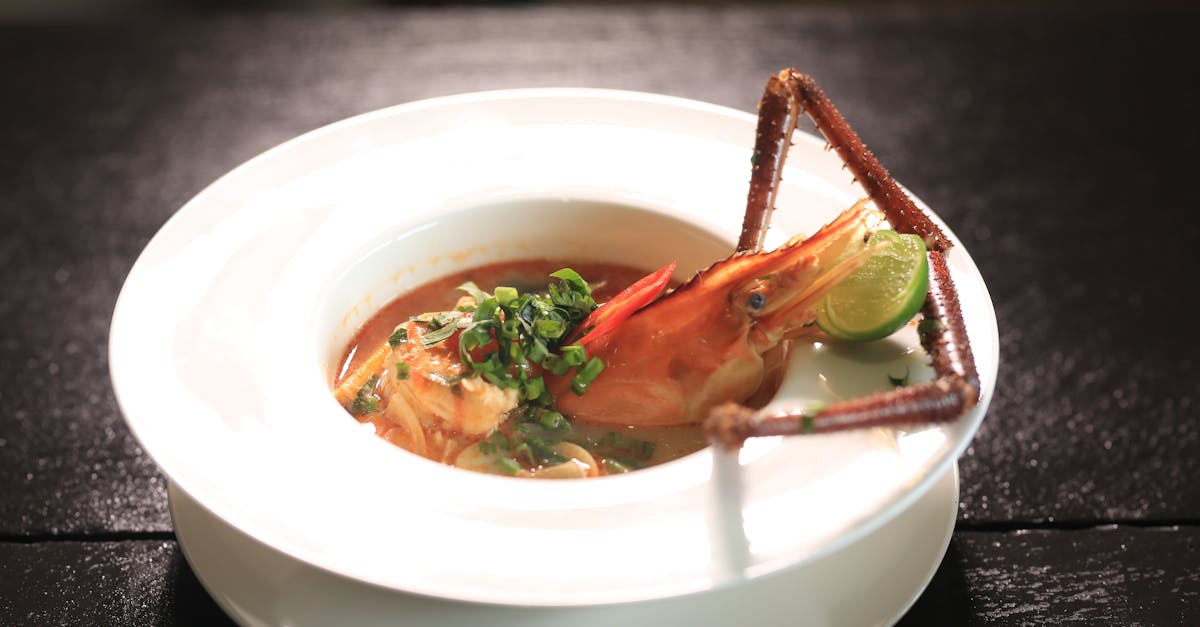
Why Lobster is a Great Choice for Special Occasions
Sustainable sourcing plays a vital role in ensuring the longevity of lobster populations while also supporting the ecosystems in which they thrive. Responsible fisheries employ rigorous management practices, which help maintain healthy stock levels a...
Read more →
Why Choose Frozen Lobster Over Fresh
The fishing industry is under increasing scrutiny due to overfishing and its effects on marine ecosystems. Selecting frozen lobster often aligns with sustainable practices. Frozen lobster is frequently sourced from fisheries that adhere to strict reg...
Read more →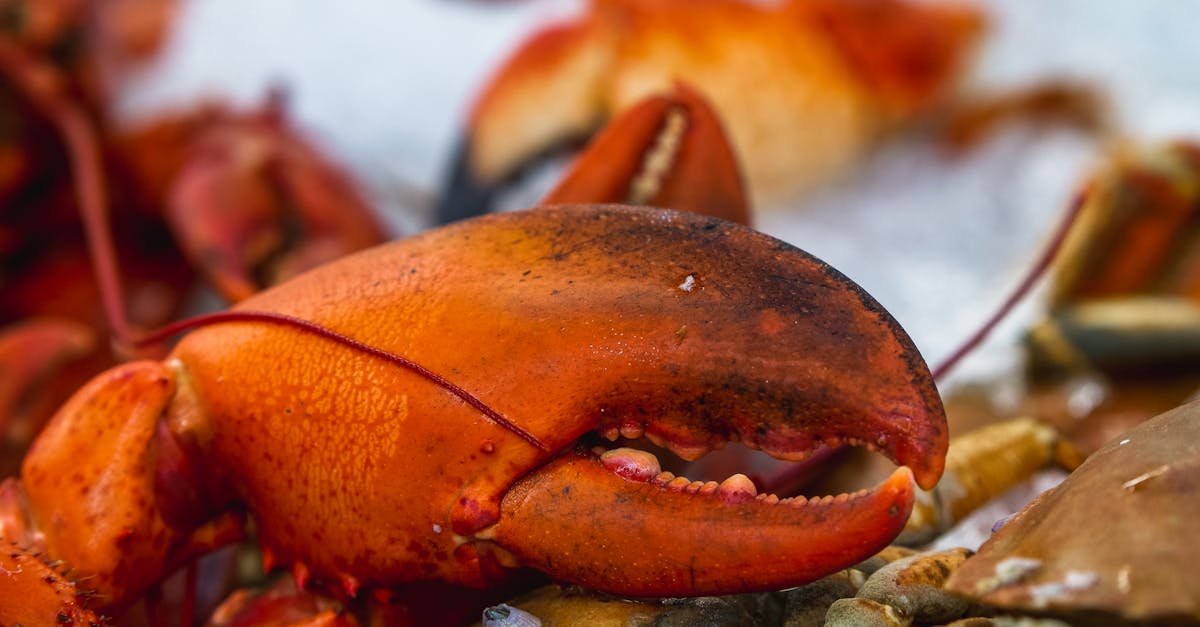
What to Serve with Frozen Lobster
Lobster, with its rich and delicate flavour, pairs beautifully with a variety of wines. A chilled glass of Chardonnay stands out as one of the most popular choices, especially when selecting an oaked variety. The buttery notes and subtle oakiness com...
Read more →
What to Do with Frozen Lobster
Cooking frozen lobster tails can yield delicious results when done correctly. One effective method is to thaw them slowly in the refrigerator over several hours or overnight, which helps maintain their texture and flavour. Alternatively, placing the ...
Read more →
How to Thaw Frozen Lobster Safely
A spoiled lobster can exhibit several unmistakable signs. The flesh may appear discoloured or dull rather than having a vibrant, translucent appearance. Additionally, an unpleasant, fishy odour often accompanies poor quality lobster, which is a key i...
Read more →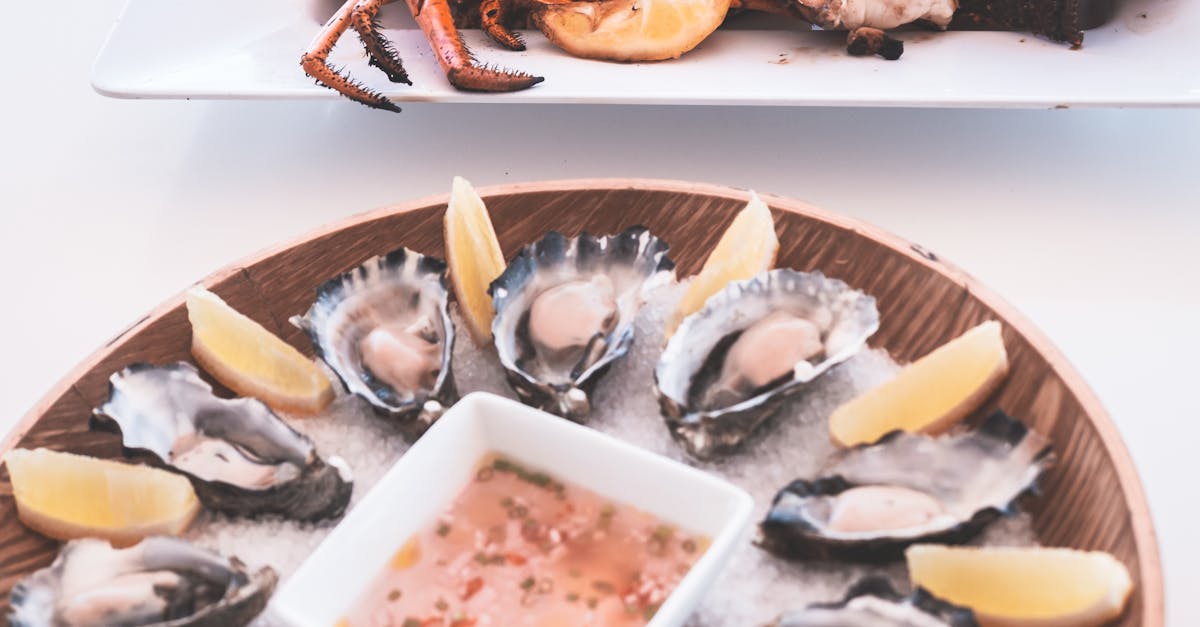
How to Cook Frozen Lobster Perfectly
Infusing flavour into frozen lobster elevates the dish, transforming it from a simple meal into a gourmet experience. Before cooking, consider brining the lobster in a mixture of water, salt, and lemon juice for a few hours. This technique penetrates...
Read more →
Roundup of Sustainable Lobster Sourcing Initiatives
Recent advancements in technology have begun to transform lobster fishing practices. Electronic monitoring systems are increasingly being adopted by fisheries, allowing for real-time data collection on catch sizes, bycatch rates, and compliance with ...
Read more →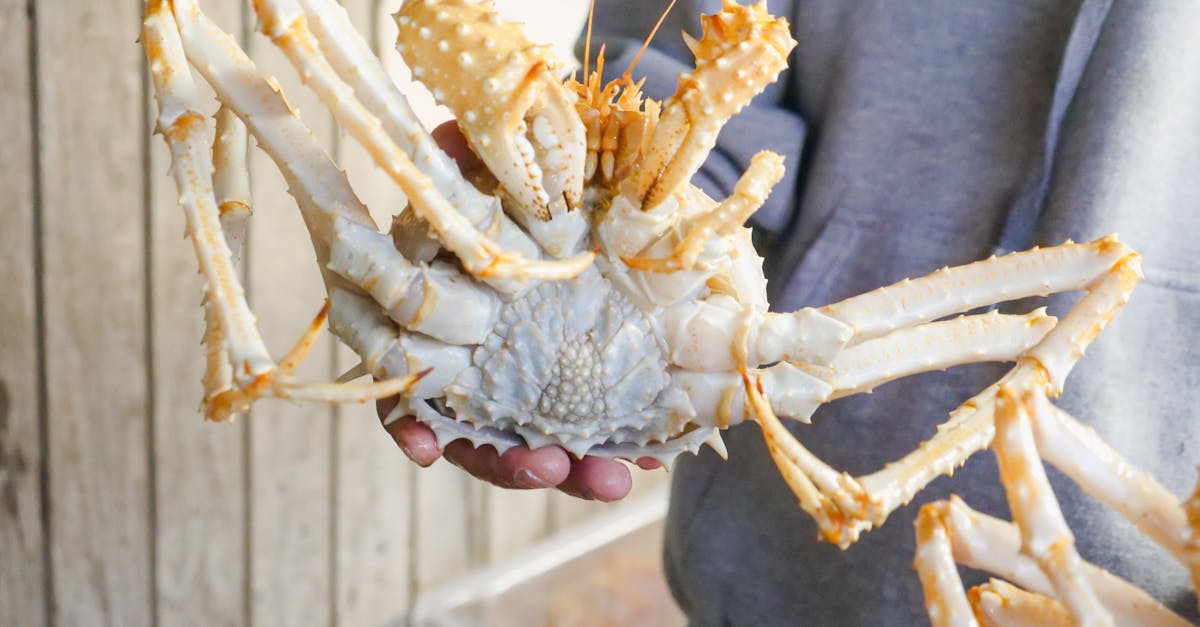
10 Best Practices for Sourcing Quality Frozen Lobster
The packaging of frozen lobster plays a crucial role in maintaining its quality and safety during storage and transportation. Options such as vacuum-sealed bags or rigid containers can significantly impact the lobster's freshness. Vacuum sealing redu...
Read more →
Historical Overview of Lobster Sourcing Practices
The regulatory framework for lobster fisheries is designed to ensure sustainable harvesting practices and conservation of marine ecosystems. Various governmental bodies establish rules that govern size limits, catch quotas, and seasons for lobster fi...
Read more →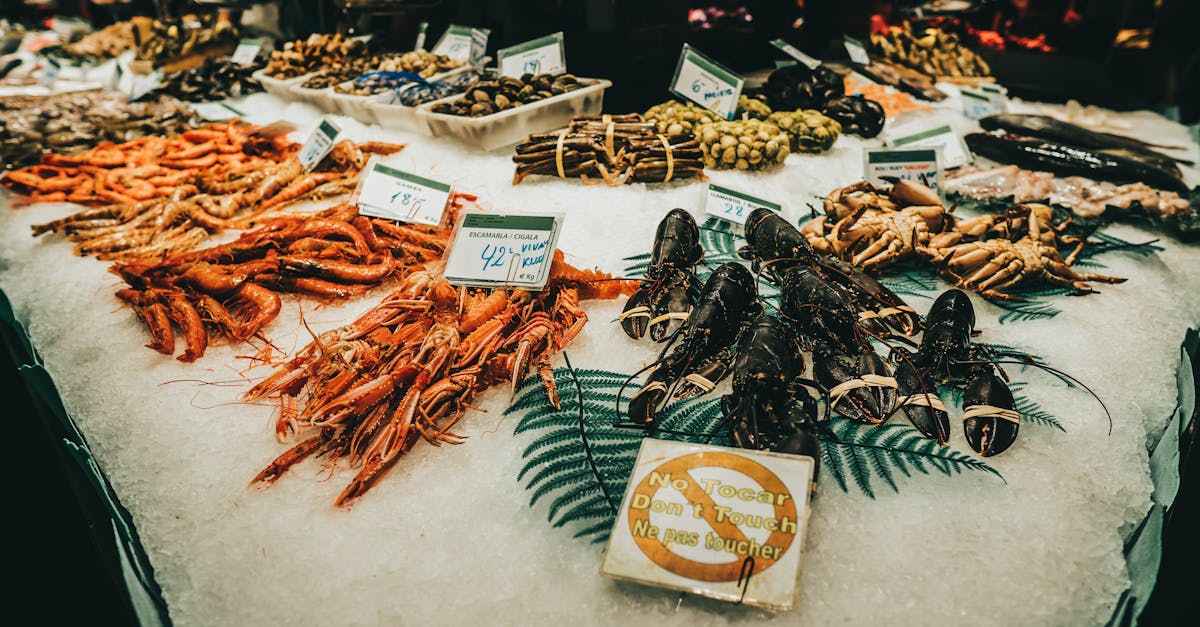
Why Quality Assessment is Crucial for Frozen Lobster
Wild-caught lobster is typically harvested from natural habitats, such as the ocean, where they grow in their native environments. This method often results in a flavour profile that is distinctly different from farmed varieties, featuring a brinier,...
Read more →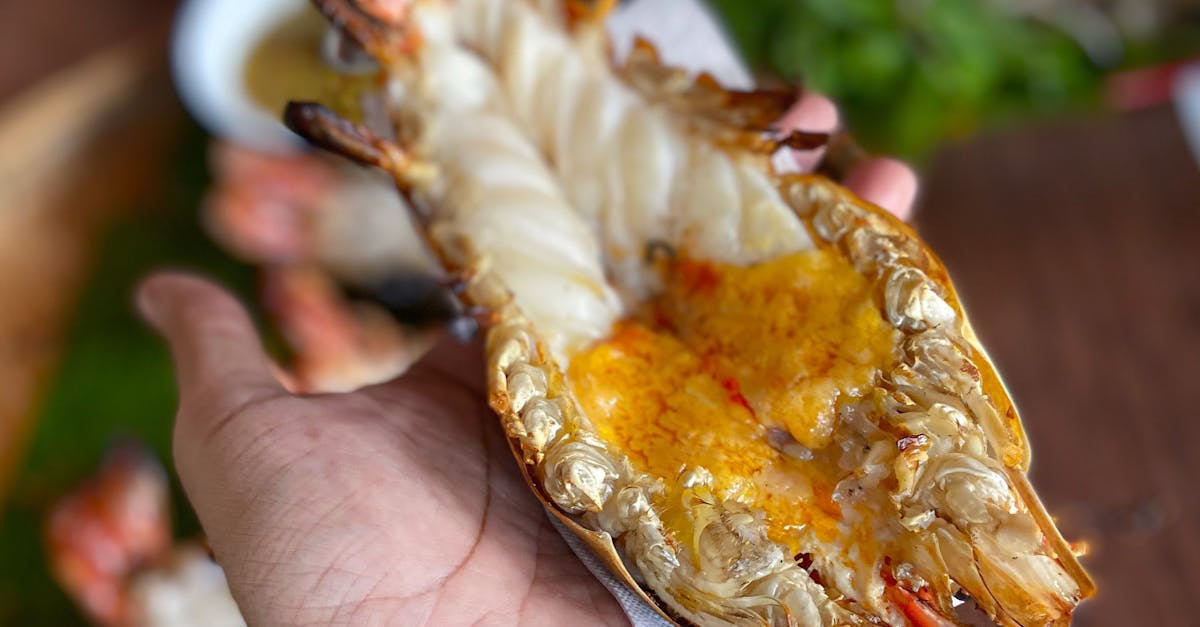
Review of Freezing Techniques for Lobster Quality
The duration of freezing plays a crucial role in determining the quality of lobster once it is thawed. Extended freezing can lead to a deterioration of texture and flavour, making the meat less appealing. Optimal freezing helps preserve the natural t...
Read more →
Why Sustainable Sourcing of Lobster Matters
Overfishing has pushed many marine species to the brink of extinction, leading to a cascade of negative effects on marine ecosystems. When certain species, like lobsters, are harvested unsustainably, it disrupts the balance necessary for a healthy ha...
Read more →
What to Know About Lobster Grading
Lobster quality can fluctuate significantly throughout the year, influenced by various environmental factors. During warmer months, lobsters tend to be more active and feed extensively, which can result in a higher meat yield and better overall quali...
Read more →
What to Look for in Fresh Frozen Lobster
Fresh frozen lobster should have a clean, briny scent reminiscent of the ocean. Any off or overly strong odours can indicate spoilage or inferior quality. When checking for odour, take note of any fishy, sour, or ammonia-like smells, which are alarmi...
Read more →
How to Assess the Freshness of Frozen Lobster
Lobsters are primarily classified into two main varieties: warm-water and cold-water lobsters. Warm-water lobsters are often found in the Caribbean and other tropical regions. They tend to have a softer shell and a milder flavour, making them popular...
Read more →
How to Source Frozen Lobster Sustainably
Fishing practices that do not adhere to sustainable methods can lead to a drastic decline in lobster populations. Overfishing disrupts natural breeding cycles. If juvenile lobsters are removed from their habitats prematurely, it hampers replenishment...
Read more →
Roundup of the Latest Trends in Lobster Sourcing and Quality
The demand for lobster continues to rise as consumers become more adventurous with their culinary choices. At fine dining establishments, lobster is frequently featured on menus, appealing not only due to its luxurious appeal but also its versatility...
Read more →
Review of the Best Practices for Lobster Traceability
Lobster traceability faces several challenges that complicate the ability to track these seafood products throughout the supply chain. First, the lack of standardised data formats can result in inconsistencies when collecting and sharing information ...
Read more →
7 Tips for Ensuring Quality in Frozen Lobster
Cooking frozen lobster requires specific techniques to ensure quality results. Thawing the lobster gradually in the refrigerator offers the best texture and flavour retention. Once thawed, consider poaching as a gentle cooking method that preserves m...
Read more →
Historical Overview of Lobster Freezing Techniques
The journey of packaging for frozen lobster has undergone significant transformations since its inception. Early methods often relied on basic materials like wooden crates or metal containers, which provided minimal insulation against temperature flu...
Read more →
Why Quality Assessment is Crucial in the Lobster Industry
Advancements in technology have transformed quality control processes within the lobster industry, enabling more precise monitoring and assessment methods. Automated systems and digital tools facilitate the tracking of various parameters, such as tem...
Read more →
Why Sustainable Sourcing Matters for Frozen Lobster
Technological advancements play a crucial role in enhancing sustainable sourcing practices within the frozen lobster industry. Innovations such as satellite tracking systems allow fishery managers to monitor lobster habitats and movement patterns mor...
Read more →
What to Consider When Evaluating the Impact of Freezing Techniques on Quality
The safety of frozen products primarily hinges on the effectiveness of freezing techniques in halting microbial activity. During the freezing process, most bacteria enter a state of dormancy rather than being killed. As temperatures drop, certain pat...
Read more →
What to Know About Understanding Lobster Grades
Understanding the factors that influence lobster quality often begins with recognising seasonal patterns. The lobster's natural life cycle is closely linked to water temperatures, which dictate their growth and spawning behaviours. Cooler waters tend...
Read more →
How to Choose Sustainable Lobster Sourcing Practices
Traceability is a critical element in ensuring that lobster sourcing practices are sustainable. It involves tracking the entire supply chain, from the point of capture through to the final consumer. Transparent systems enable consumers to make inform...
Read more →
Roundup of Sustainable Lobster Sourcing Practices
Fishermen increasingly adopt selective harvesting methods to reduce bycatch and ensure the sustainability of lobster populations. Techniques such as pot traps align with responsible fishing principles, allowing for minimal disruption to the marine ec...
Read more →
How to Assess Freshness and Quality in Frozen Lobster
When assessing frozen lobster, the first step is to conduct a thorough visual inspection. Look for any signs of ice crystals or frost on the packaging, which may indicate that the lobster has been thawed and refrozen. The meat should exhibit a consis...
Read more →
Review of the Best Frozen Lobster Brands
Many customers express satisfaction with the quality of lobster provided by top brands. They often highlight the freshness and rich flavour that rivals fresh lobster. Some reviews detail the convenience of preparation, noting how easy it is to cook f...
Read more →
10 Tips for Choosing Quality Frozen Lobster
Lobster grades play a significant role in determining both the quality and the pricing of this prized seafood. The classification of lobsters is primarily based on their size, shell condition, and meat quality. Common grades include "Select," "Choice...
Read more →
The History of Lobster Grading
Lobster grading plays a vital role in the economic landscape of the seafood industry. It allows consumers and suppliers to understand the quality and price differentials of lobsters in the market. Proper grading ensures that higher quality lobsters c...
Read more →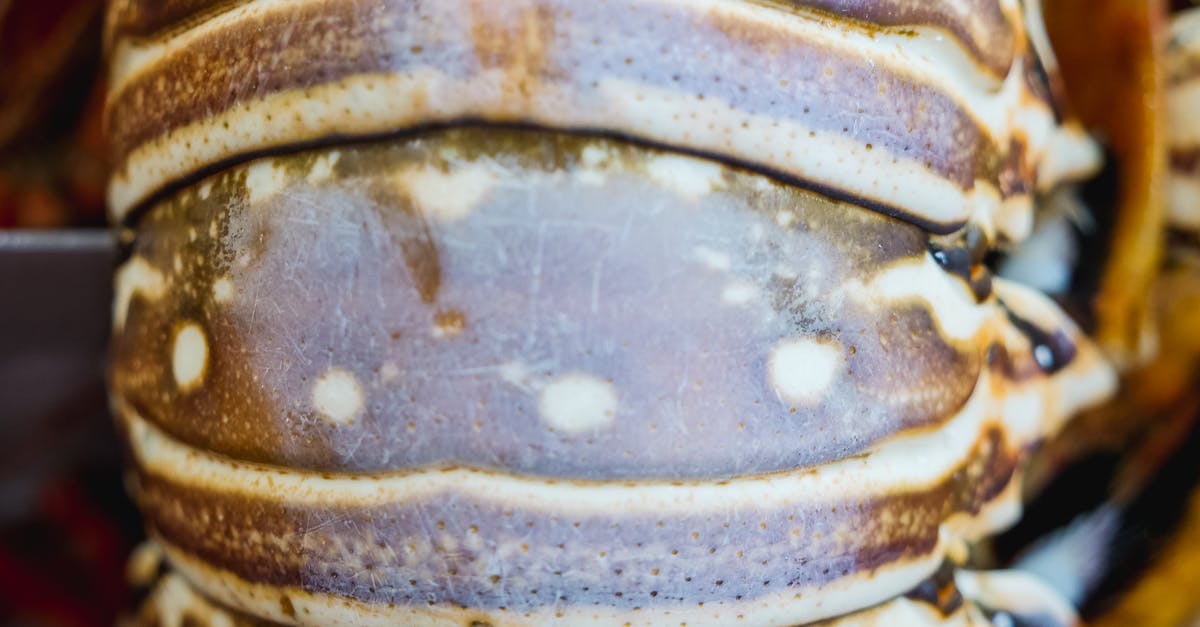
Why Lobster Quality is Important
The preparation of lobster greatly influences its quality. Various cooking methods, such as boiling, steaming, or grilling, each impart distinct characteristics to the meat. Boiling, for instance, can lead to overly tender flesh if not timed correctl...
Read more →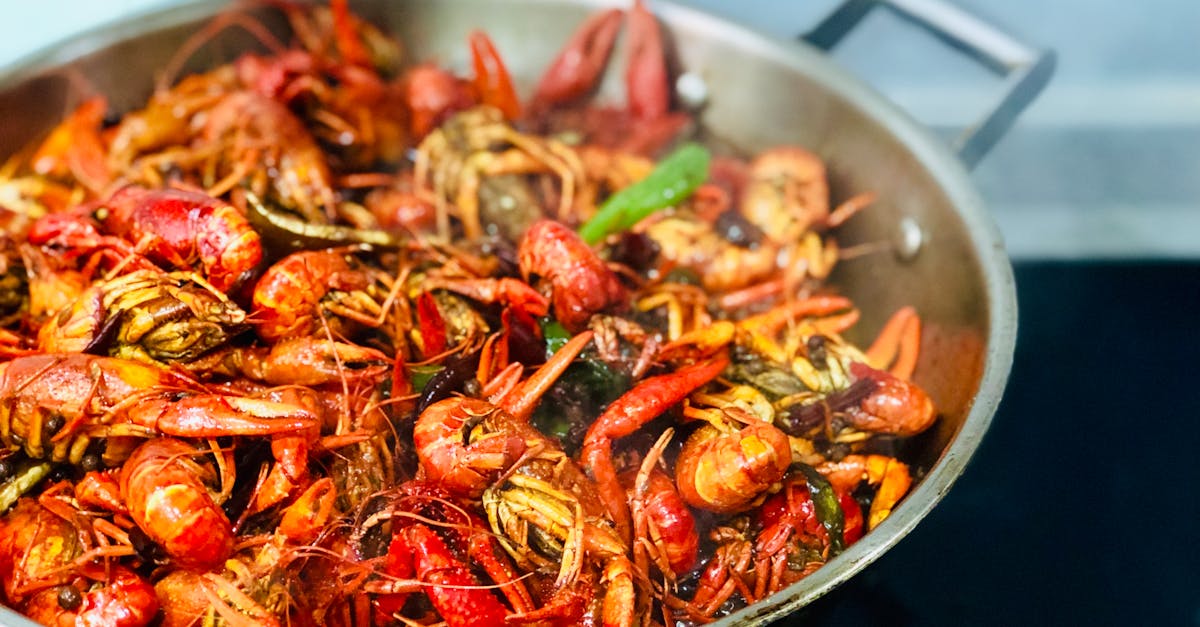
Why Sustainable Sourcing Matters for Lobster
Advancements in technology play a crucial role in promoting sustainable fishing practices. Innovative tools such as sonar systems and drones enhance the ability of fishers to locate and assess lobster populations without overexploiting resources. The...
Read more →
What to Know About Freezing Techniques for Lobster
The duration for which lobster can be safely frozen varies depending on several factors, including the method of freezing and whether the lobster is cooked or raw. Generally, raw lobster can be stored in the freezer for up to 12 months without signif...
Read more →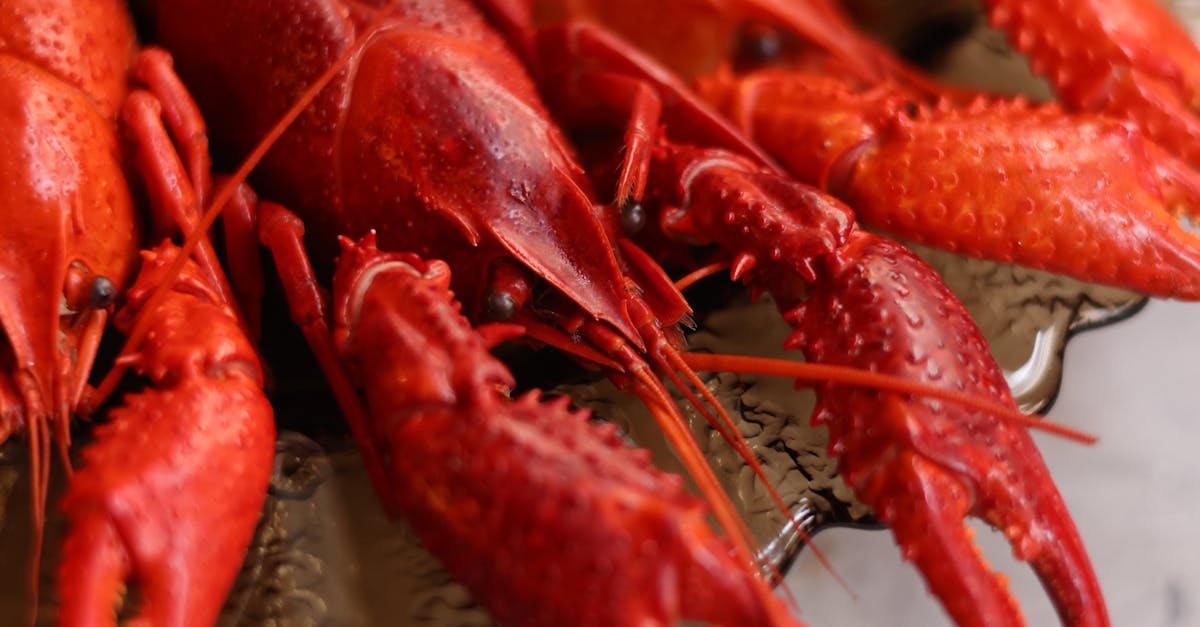
What to Look for in Lobster Grades
The distinction between local and imported lobster has significant implications for both freshness and flavour. Local lobsters, often harvested from nearby waters, typically reach markets more quickly, ensuring that consumers enjoy a product that is ...
Read more →
How to Assess Lobster Freshness
The activity level of a lobster provides essential insights into its freshness. A lively lobster tends to be more appealing, demonstrating its overall health and vitality. Observing the creature's movement reveals whether it is active and responsive ...
Read more →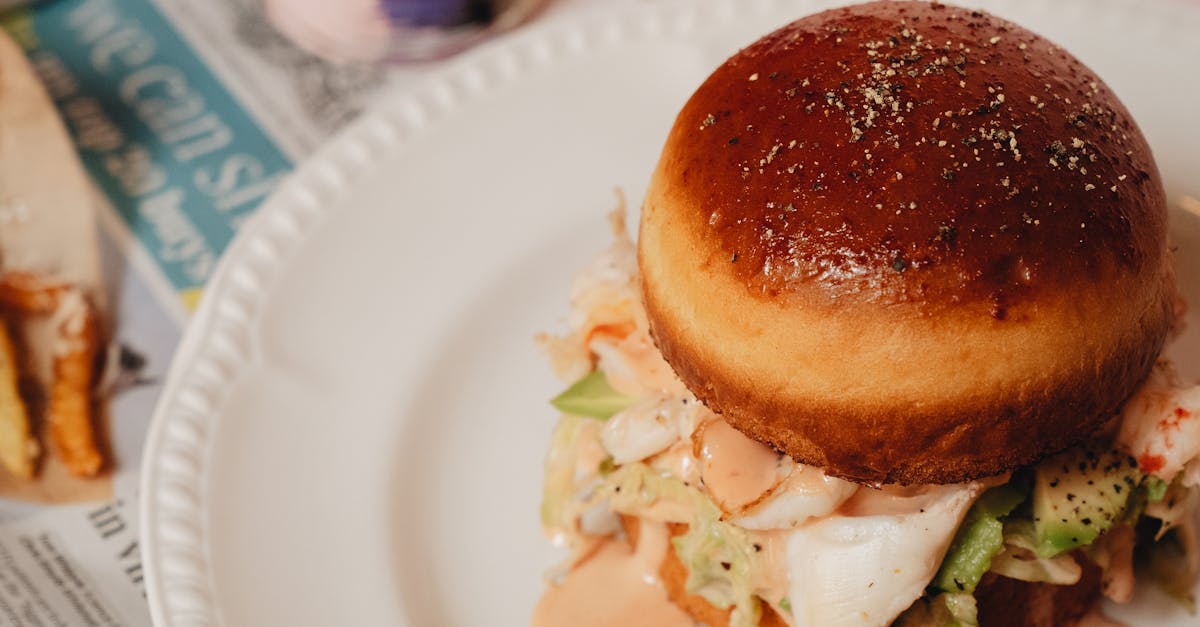
How to Source Sustainable Lobster
Understanding the various seasons of lobster harvesting is crucial for sourcing responsibly. Lobster populations tend to be more abundant during specific times of the year, influenced by factors such as water temperature and breeding cycles. For inst...
Read more →
Roundup of Sustainable Lobster Sourcing Methods
Advancements in technology are transforming the lobster harvesting industry, fostering more sustainable practices. The integration of GPS and sonar devices enhances the ability of fishermen to identify lobster habitats with precision, reducing the ti...
Read more →
10 Tips for Assessing Lobster Freshness
Movement is a vital indicator of a lobster's freshness. Fresh lobsters typically display an active swimming response when placed in water. Their movements should be lively, showcasing agility and strength. A lack of movement can suggest a lack of vit...
Read more →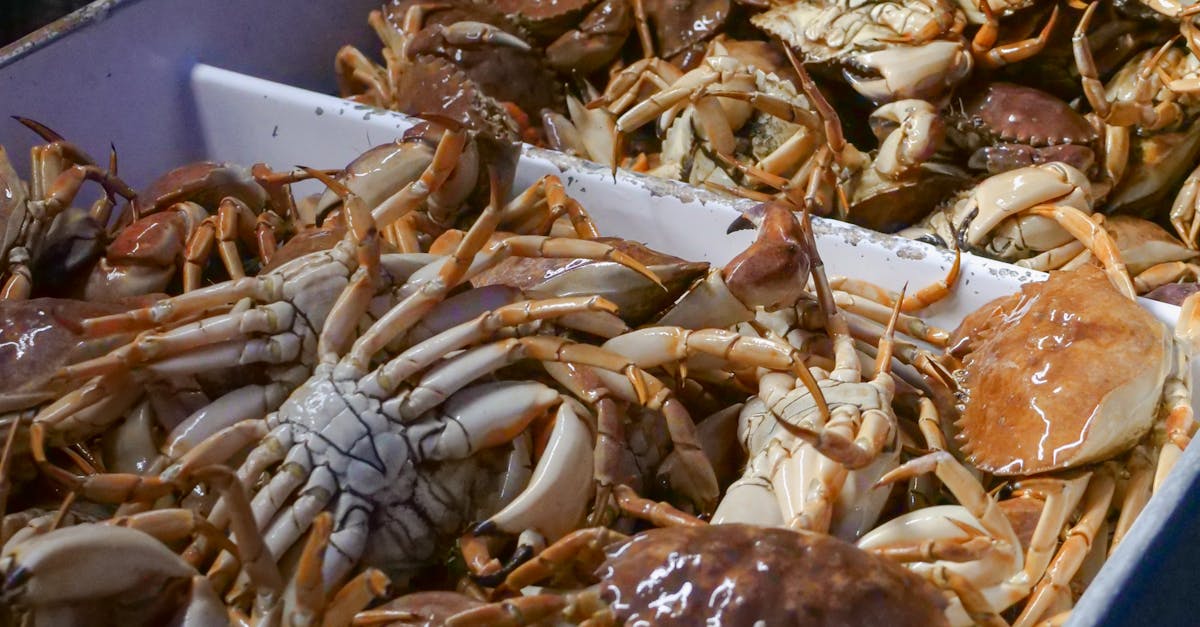
Review of the Best Frozen Lobster Brands
When preparing frozen lobster, several techniques can yield delicious results. Thawing the lobster properly is crucial; ideally, it should be done slowly in the refrigerator to preserve its texture and flavour. Once thawed, boiling is a popular metho...
Read more →
History of Lobster Sourcing Practices
The rise of lobster farming has transformed the seafood industry, offering a sustainable alternative to wild-caught lobsters. Aquaculture methods have advanced significantly, enabling farms to produce lobsters under controlled conditions that mimic t...
Read more →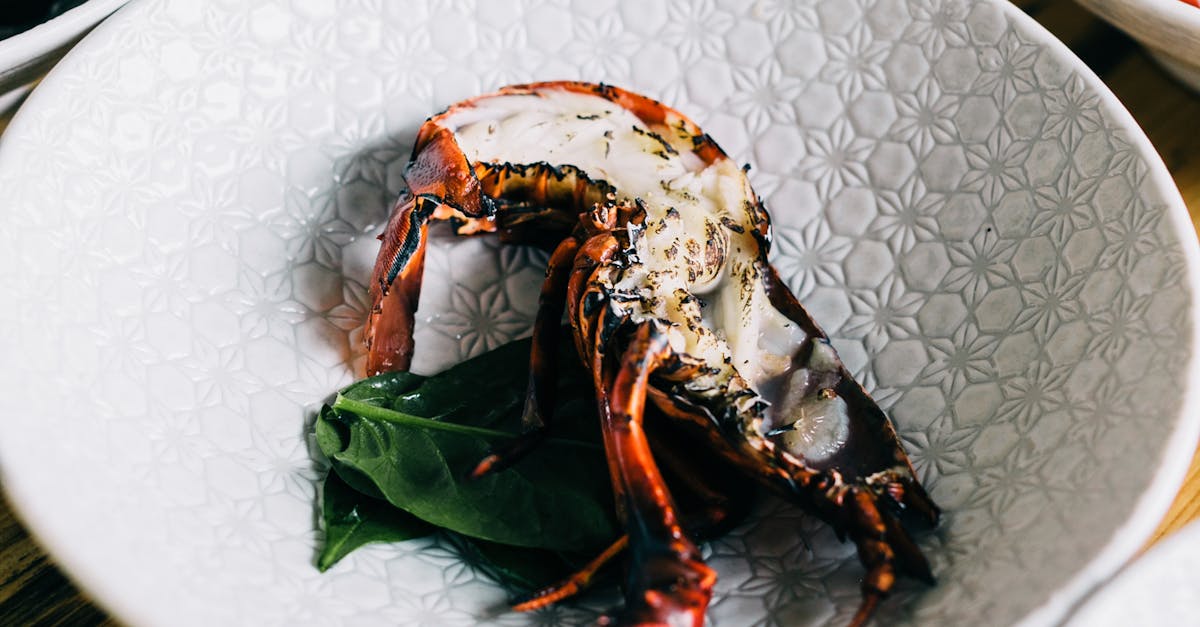
Why Freezing Techniques Matter for Lobster Quality
To ensure optimal quality when freezing lobster, start by selecting the freshest specimens available. Ideally, lobsters should be cooked before freezing to enhance flavour and texture. Clean the lobsters thoroughly to remove any dirt or brine residue...
Read more →
Why is Traceability Important in Lobster Supply Chains
Implementing traceability in lobster supply chains faces several significant hurdles. A lack of standardisation in data collection methods can lead to inconsistencies, making it difficult to track the journey of lobsters from ocean to plate. Many fis...
Read more →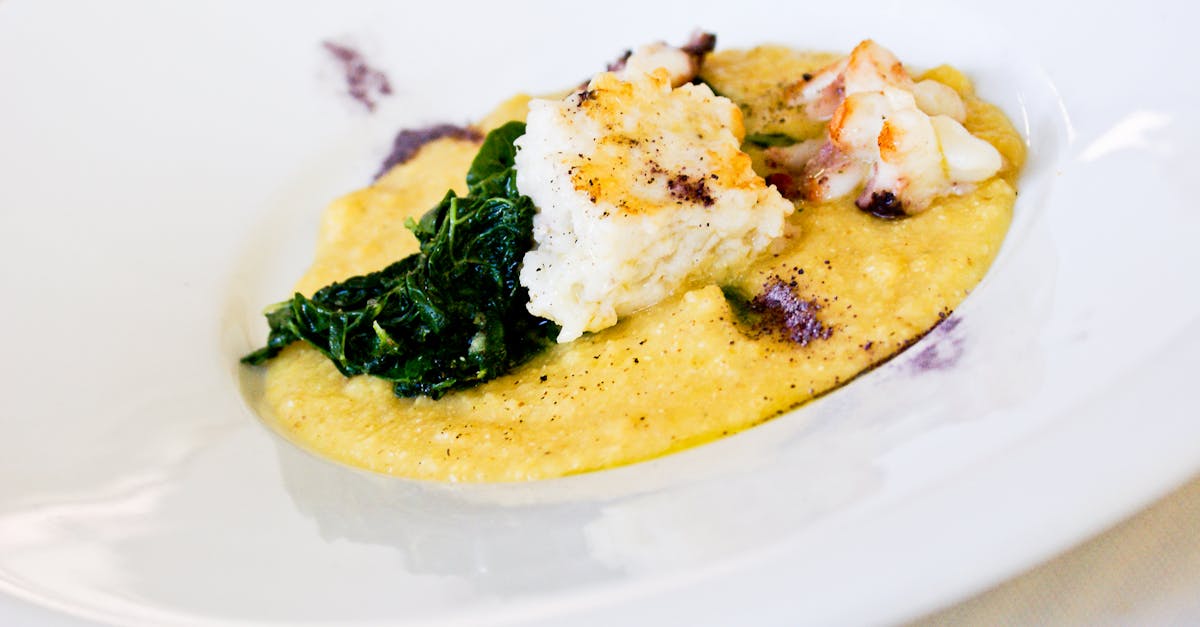
What are the Benefits of Sourcing Sustainable Lobster
The rise of awareness surrounding environmental issues has significantly influenced consumers' choices, particularly in the seafood sector. Many people are now more conscious of where their food comes from and how it affects the planet. As a result, ...
Read more →
What to Look for When Buying Frozen Lobster
When purchasing frozen lobster, it is essential to choose brands that are reputable and well-established in the seafood industry. Look for companies that have a strong commitment to sustainability and ethical sourcing. These brands often participate ...
Read more →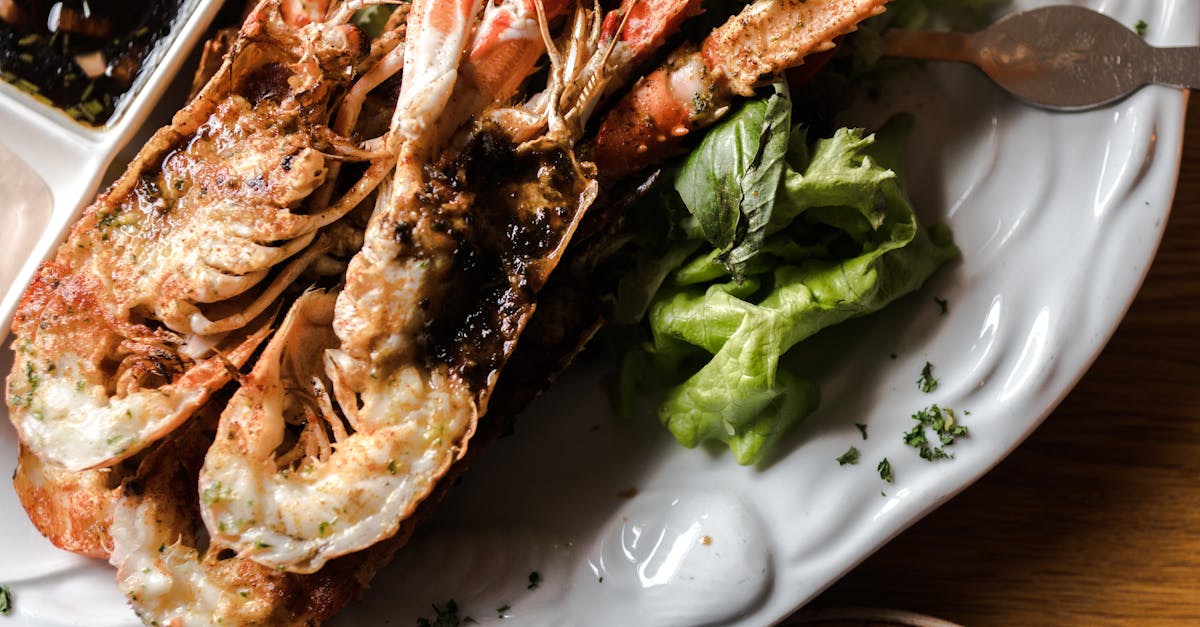
How to Choose Fresh Frozen Lobster
When selecting fresh frozen lobster, it's essential to understand the distinctions between the various types available. North American lobster, particularly the American lobster (Homarus americanus), is known for its sweet, tender flesh and rich flav...
Read more →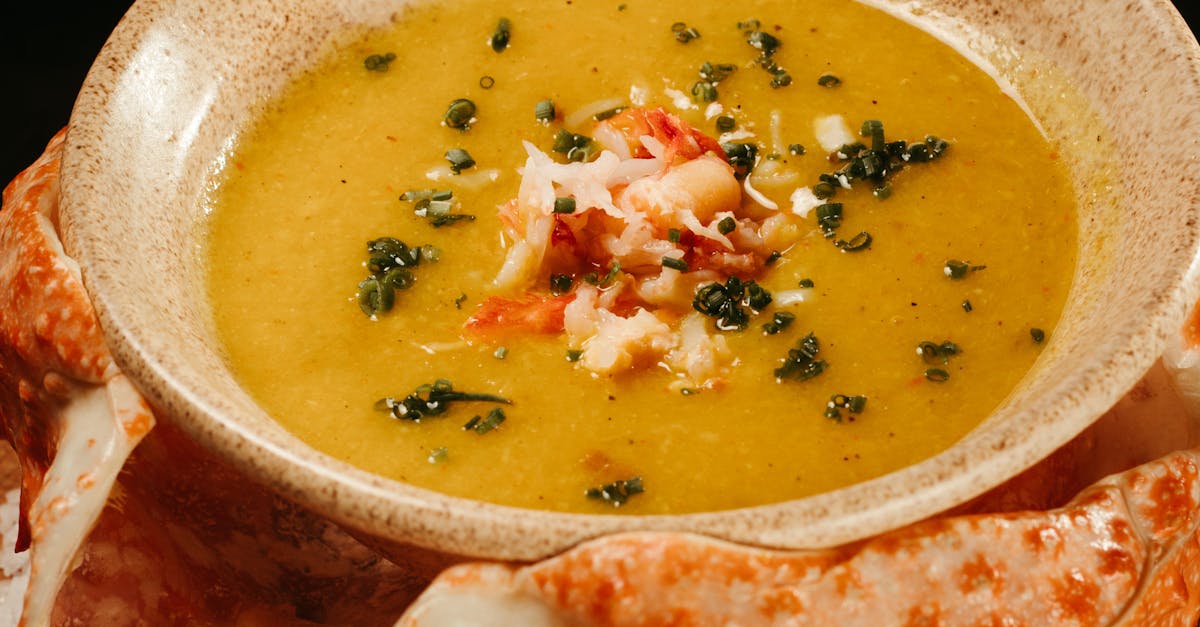
Roundup of Best Practices in Lobster Traceability
Clear labelling standards for lobster products ensure that consumers receive accurate information regarding the origin and handling of the seafood they purchase. Labels should provide essential details such as the species name, catch area, and whethe...
Read more →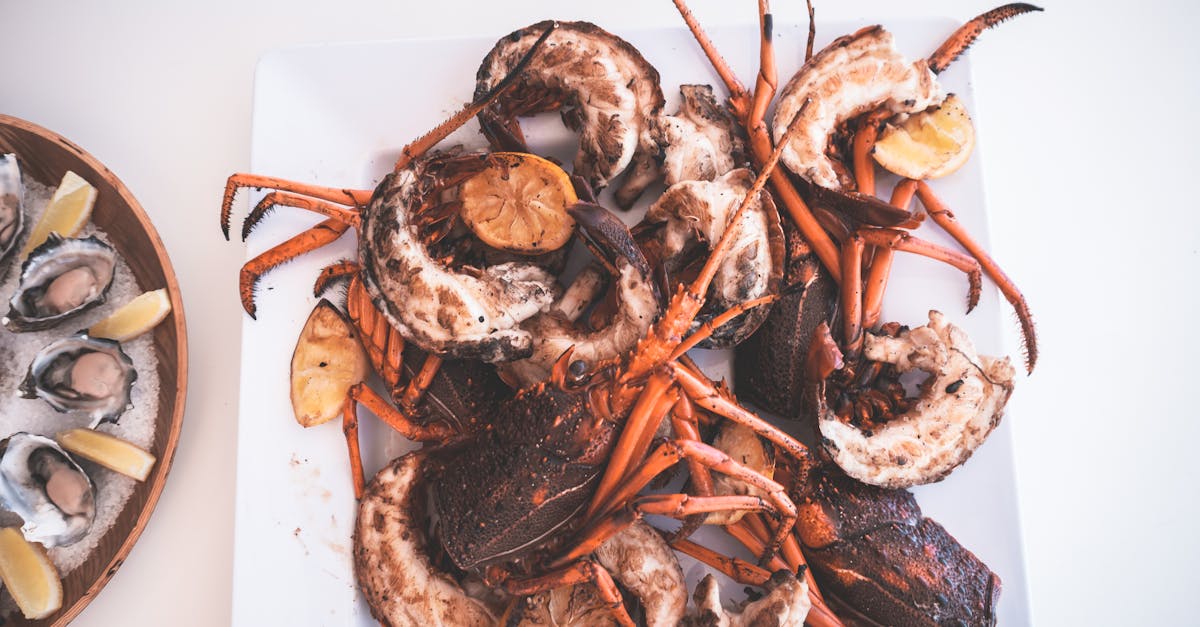
How to Store Frozen Lobster Properly
Frozen lobster can maintain its quality for a considerable period when stored correctly. Typically, whole lobster should be consumed within one to two years for the best flavour and texture. Tails and claws can last between six months to a year, depe...
Read more →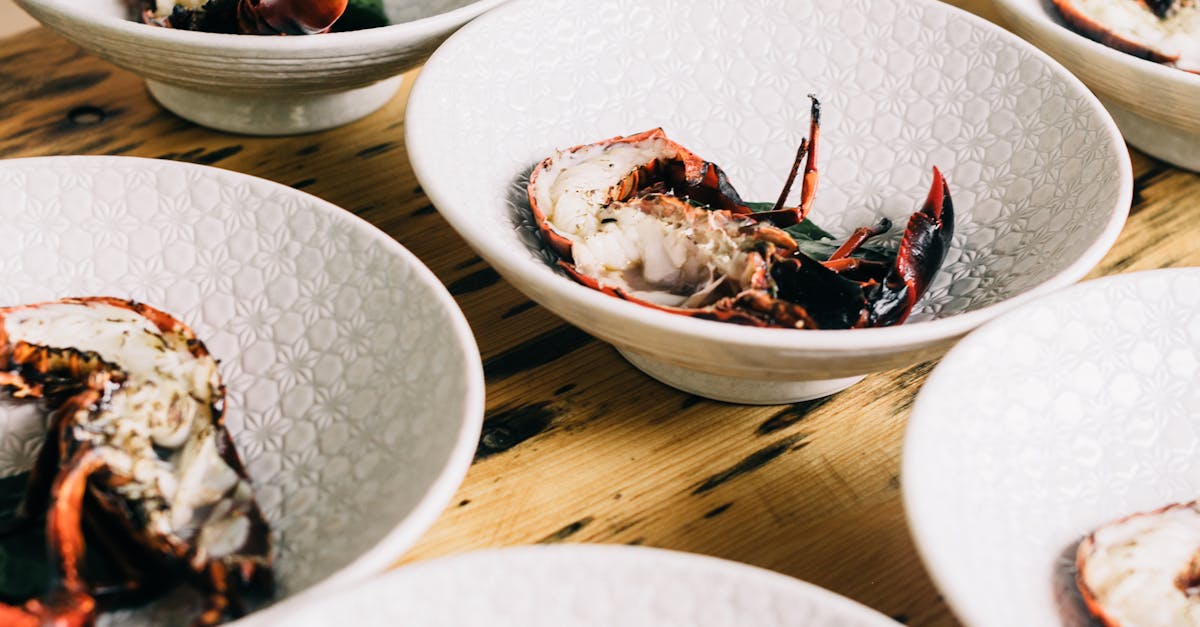
Review of Top Sustainable Lobster Suppliers
One of the standout features of this supplier is its commitment to eco-friendly practices. Utilising traps designed to minimise bycatch and adhere to sustainable fishing quotas, they ensure the health of lobster populations remains intact. Their oper...
Read more →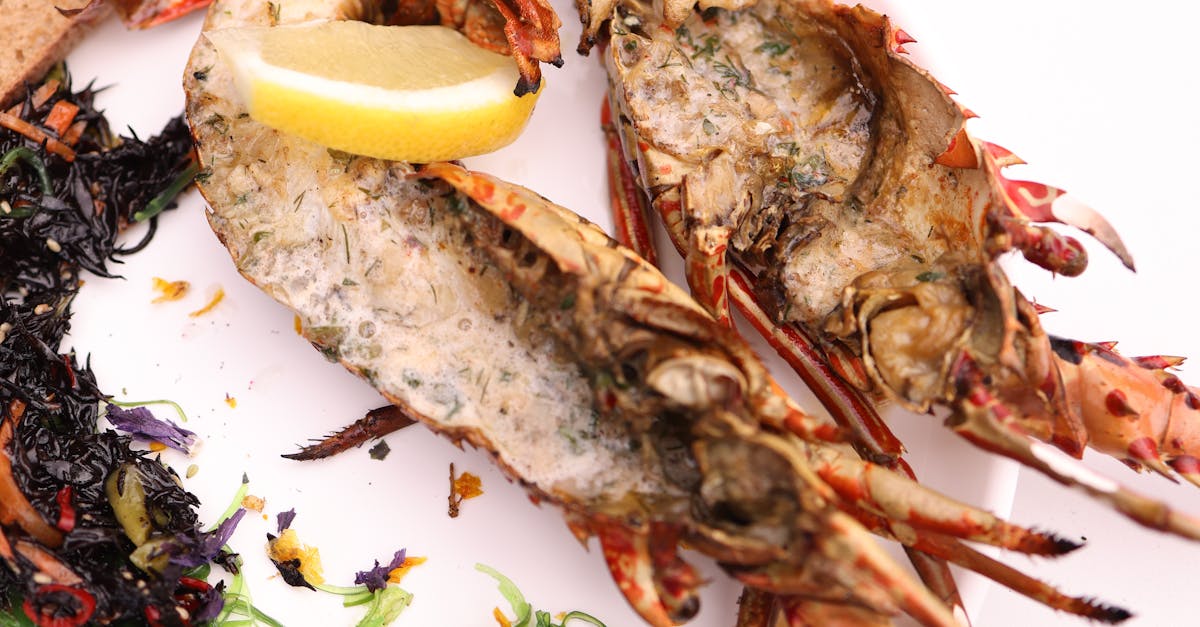
10 Tips for Identifying Fresh Frozen Lobster
When examining frozen lobster, the presence and nature of ice crystals can provide valuable insights into its quality. Fresh frozen lobster should ideally exhibit a thin layer of ice, indicating proper freezing techniques. Large ice crystals, on the ...
Read more →
Historical Overview of Lobster Sourcing Practices
The lobster trade has undergone significant transformation in recent decades, largely due to the forces of globalisation. Regions once characterised by local sourcing of lobsters have opened up to international markets. This shift has been facilitate...
Read more →
Why Freezing Techniques Affect Quality
The vibrant hues of fresh produce often diminish during the freezing process. Factors such as exposure to air, light, and moisture can contribute to these colour shifts. Chlorophyll in green vegetables can break down, leading to less appealing olive ...
Read more →
Why Sustainable Practices Matter in Lobster Sourcing
Innovative technologies are reshaping the landscape of sustainable fishing practices. Advanced sonar systems and underwater drones enhance the efficiency of locating lobster populations, minimising bycatch and allowing fishers to target specific area...
Read more →
What to Know About Lobster Grades
Lobster grades play a pivotal role in promoting sustainable fishing practices. By categorising lobsters based on size and quality, fisheries can implement strategies that reduce overfishing and protect marine ecosystems. Sustainable grading encourage...
Read more →
How to Source Sustainable Lobster
The harvesting of lobsters poses significant environmental challenges, primarily through the risks of overfishing and damage to marine habitats. Unsustainable practices can deplete lobster populations, leading to imbalances in the ecosystem. Addition...
Read more →
What to Look for in Quality Lobster
When evaluating lobster meat, colour and texture serve as key indicators of quality. Fresh lobster meat presents a creamy white hue with slight pink or red undertones. The texture should feel firm and resilient rather than mushy, indicating proper fr...
Read more →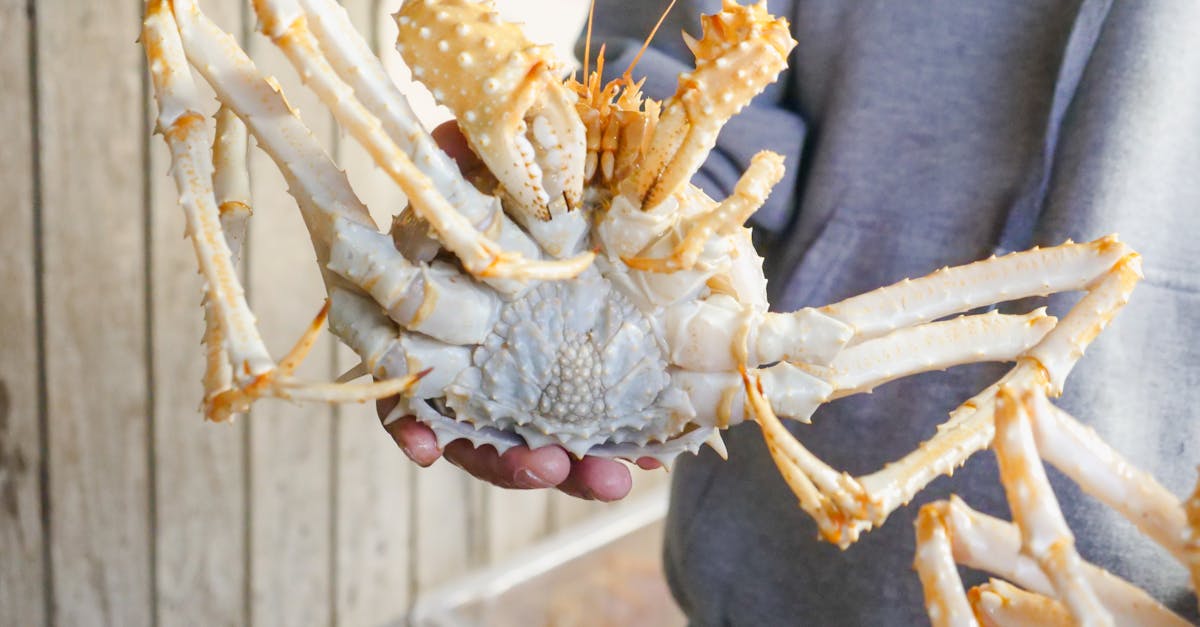
How to Assess the Freshness of Frozen Lobster
When evaluating the freshness of frozen lobster, texture serves as a key indicator. Fresh lobster tends to have a firm, resilient texture. If the meat feels mushy or overly soft, it may signal degradation in quality. A high-quality lobster should hav...
Read more →